
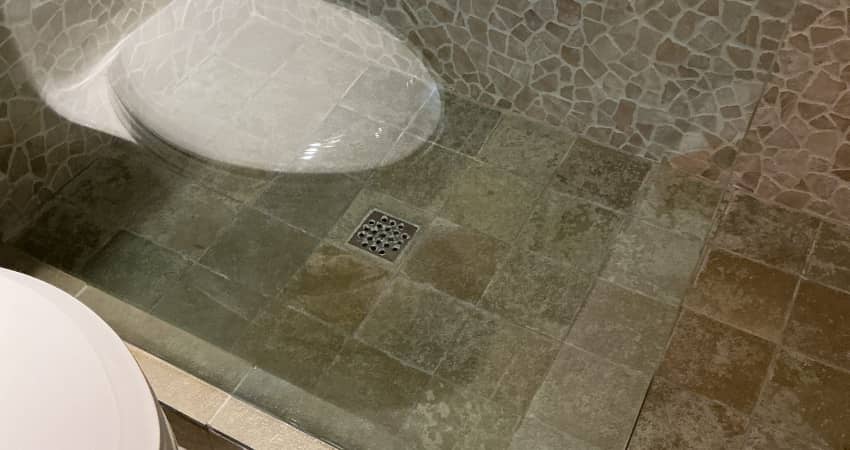
A slow or clogged drain might be a minor nuisance, but it can quickly turn into a serious plumbing emergency. Water may collect in the shower, remain in the kitchen sink, or back up through another fixture. Gurgling sounds and unpleasant odors may appear before the drain stops working completely.
Some shallow clogs can be removed with basic household tools. Others require professional drain cleaning in Sun City. Understanding the difference can help you avoid indoor flooding, contaminated wastewater, pipe damage, and repeated temporary fixes.
Why Household Drains Become Clogged
Every fixture sends different materials into the drainage system. The likely cause often depends on which drain is affected and what regularly enters it.
Hair, Soap, and Personal Care Products
Hair is a leading cause of bathroom clogs. Loose hair collects around drain covers, stoppers, and bends in your pipes. They then combine with soap residue, shampoo, conditioner, shaving products, skin oils, and toothpaste.
A clogged shower drain usually develops over time. Water may drain more slowly each week until it begins pooling around your feet. Bathroom sinks can develop similar obstructions beneath the stopper.
Grease, Oil, and Food Waste
Kitchen plumbing frequently becomes restricted by fats, oils, and grease, commonly called FOG. Liquid grease may appear harmless while warm, but it cools and sticks to the pipe walls. Coffee grounds, detergent residue, flour, rice, food particles, and other debris then attach to the coating.
There’s even an acronym for it: FOG. Food, oil, and grease accumulation is a major contributor to sewer overflows and costly public sewer maintenance. Communities spend substantial amounts clearing grease-related blockages and repairing affected infrastructure.
Running hot water while pouring grease into the sink won’t solve the problem either. It just pushes the problem further down the line when the water cools and the grease hardens.
Flushed Products and Foreign Objects
Toilets are designed for human waste and toilet paper. Wipes, paper towels, diapers, cotton swabs, dental floss, and feminine hygiene products may remain intact inside the plumbing. Those “flushable” products? Don’t flush them. They can catch on rough pipe surfaces or combine with other material to form a larger obstruction.
“Cleaning wipes and baby wipes do not break apart like toilet tissue. They get stuck in sewer pipes and sewer pumping equipment.” — City of Mesa, AZ
Mineral Deposits and Aging Pipes
Older pipes may become narrower as minerals, corrosion, rust, grease, and residue accumulate inside them. In Sun City, we’ve got extremely hard water and that forms scale that deposits on the inside of your pipes. Over time, a kitchen drain gets clogged or scale forms and clogs a shower drain.
In older Sun City homes, pipes may sag, shift, crack, or become misaligned. These defects create low areas where wastewater and debris collect.
Tree Roots and Sewer Damage
Tree roots can enter sewer lines through small cracks or loose joints. Once inside, they grow and catch paper, waste, and other material. Drain cleaning in Sun City may restore flow temporarily, but recurring roots usually indicate that the pipe also requires repair. A collapsed or severely damaged line cannot be corrected through cleaning alone, and repairs can get expensive if you don’t deal with them promptly.
What the Location of the Clog Can Tell You
The number and location of affected fixtures can help distinguish a local obstruction from a larger drainage problem.
One Slow Fixture
When only one sink, tub, shower, or toilet is affected, the clog is often close to that fixture. Hair may be wrapped around a bathroom stopper, food may be trapped in a kitchen drain, or excess paper may be blocking a toilet trap. These localized problems are the best candidates for basic DIY methods.
Several Fixtures in One Area
Multiple affected fixtures in the same bathroom or part of the house may point to a blocked branch line. A sink, toilet, and shower may share piping before connecting to the main sewer. Clearing one fixture may provide only temporary relief if the larger obstruction remains.
Slow Drains Throughout Your House
When fixtures in several rooms slow down at once, the main sewer line may be restricted. Warning signs include:
- Toilets that gurgle when the washing machine drains
- Water rising in a bathtub when a toilet is flushed
- Sewage appearing through a low drain.
Widespread symptoms generally require a clogged drain service rather than separate treatments at each fixture.
Safe DIY Methods for a Minor Clog
You can try several low-risk methods when only one fixture is affected and no sewage is present. Start with the least aggressive option.
Remove Visible Debris
Remove the drain cover or stopper if it is designed for easy removal. Wear gloves and pull out any hair, food, or soap buildup you can see. Avoid forcing things apart, though, because damaged seals or drain components may leak.
Use the Correct Plunger
A flange plunger is designed for toilets. A cup plunger works for many sinks, tubs, and showers.
Add enough water to cover the edge of the plunger, form a seal, and use several controlled pushes and pulls. You’ll want to clear out any debris that loosens. Don’t just flush it down the drain.
Try a Plastic Hair Tool
A flexible barbed tool can retrieve hair immediately beneath a bathroom drain. Insert it gently, twist slightly, and pull it out. Do not force it around a tight bend because the plastic can break and become another obstruction.
Use a Hand-Operated Snake Carefully
A small manual snake can reach farther into the pipe. Feed the cable slowly until you feel soft resistance, rotate it, and pull it back gradually. Stop if you encounter hard resistance or cannot retrieve the cable. Excessive force may damage a fitting or leave the snake stuck inside the line.
Flush With Warm Water
Warm tap water can help carry away loose residue after debris is physically removed. Avoid using boiling water because the extreme heat may affect plastic piping, seals, or aging components.
Does Baking Soda and Vinegar Work to Clear a Clogged Drain?
Baking soda and vinegar will fizz when combined, and that may loosen light soap residue or reduce odors, but the reaction is not strong enough to get rid of hair, heavy grease, wipes, roots, or solid objects.
It’s good for reducing odors and routine maintenance, but it is not a dependable answer for how to clear a clogged drain that has stopped flowing.
Drain-Clearing Methods to Avoid
There are some Sun City drain cleaning methods you should avoid. They can damage plumbing, create safety hazards, or make professional work more difficult.
Repeated Chemical Cleaner Use
Chemical drain openers may contain corrosive ingredients that generate heat. Repeated use can affect pipes, seals, fixtures, finishes, and garbage disposal components. These cleaners may also only open a small channel through the blockage, which can let water flow, but leave material behind that can cause another clogged drain in the future.
A word of warning here: Don’t mix drain cleaners or combine them with bleach or ammonia. It can create a toxic gas. If you have used chemical drain cleaners, let your plumber know so they can take the proper precautions.
Sharp Tools
Coat hangers, screwdrivers, and rigid objects can scratch fixtures, damage toilet traps, puncture piping, or compact the obstruction, making it harder to remove.
Repeatedly Testing the Drain
Running more water down the drain doesn’t help. It may cause your sink, shower, toilet, or washing machine standpipe to overflow.
Disassembling Plumbing
Taking apart a sink trap may be manageable for some homeowners, but incorrect reassembly can create leaks. Stop when the work involves corroded connections, concealed piping, garbage disposals, or unfamiliar components.
Common Clogs by Fixture
Each fixture has its own typical clogging materials and warning signs.
| Bathroom Sink Clogs | Bathroom sinks collect hair, toothpaste, soap, cosmetics, and shaving residue. The stopper assembly is usually the first place to inspect. Someone searching for a clogged sink drain near me may have a deeper obstruction when removing and cleaning the stopper does not restore normal drainage. |
| Shower and Tub Clogs | Hair and soap are the primary causes of shower and tub blockages. Water that drains slowly, leaves residue, or produces odors should be addressed before the line becomes fully blocked. A recurring clogged shower drain may contain a thick hair mat farther down the pipe or connect to a restricted bathroom branch line. |
| Kitchen Sink Clogs | A kitchen drain clogged by grease often develops gradually and returns after a temporary fix. Coffee grounds, rice, pasta, flour, fibrous vegetables, and disposal waste can add to the blockage. Garbage disposals may also jam or develop buildup immediately below the unit. Never place your hand inside a disposal, even when the switch is off. |
| Toilet Clogs | A single toilet clog may result from excess paper or an inappropriate flushed item. A toilet that repeatedly clogs, gurgles, or causes water to appear elsewhere may indicate a branch or sewer-line problem. |
| Washing Machine Drain Clogs | Lint, detergent, fabric softener, hair, and clothing residue can collect inside laundry drains. Older or undersized standpipes may also struggle with the discharge rate of a modern washer. Stop using the appliance when water rises from the standpipe. Repeated testing may release significant water onto the floor. |
When to Call a Professional Plumber for Sun City Drain Cleaning
Call promptly when:
- Several drains are slow at once
- Sewage backs up through a sink, tub, shower, or floor drain
- Water appears in another fixture when one is used
- The blockage returns shortly after cleaning
- Toilets or drains produce persistent gurgling
- Strong sewer odors remain inside the home
- A hand snake cannot pass through the line
- Tree roots or damaged pipes are suspected
- Wastewater reaches flooring or electrical equipment
Searching for a clogged drain near me before a slow drain becomes a complete backup may prevent a larger cleanup. Waiting until sewage enters the home can increase both property damage and sanitation concerns. A professional clogged drain service can determine whether the obstruction is close to the fixture, inside a shared branch line, or in the main sewer.
Professional Drain-Cleaning Options
The appropriate cleaning method depends on the type, depth, and location of the blockage, as well as the condition of the pipe.
Mechanical Drain Snaking
A professional drain machine uses a longer, stronger cable than a household snake. Different attachments can cut through or retrieve hair, paper, soft buildup, and some root growth. Snaking can restore flow, although it may not remove every layer of grease or scale from the pipe walls.
Hydro Jetting
Hydro jetting uses pressurized water to break up buildup and clean the interior of the pipe. It may be appropriate for grease, sludge, sediment, and some recurring blockages. Because high-pressure water is not suitable for every fragile or damaged line, inspection may be necessary first.
Sewer Camera Inspection
A camera inspection allows the plumber to view the inside of an accessible drain or sewer line. It can reveal roots, cracks, offsets, standing water, heavy buildup, or collapsed sections. This is especially useful when the same drain repeatedly clogs or cleaning does not fully restore normal flow.
Pipe Repair or Replacement
Cleaning cannot permanently correct structural defects. Broken, sagging, severely corroded, or collapsed lines may require repair, relining, or replacement. Effective Sun City drain cleaning should identify why the obstruction developed rather than simply creating a temporary opening.
right solution for the actual cause rather than using the same treatment for every blockage.
FAQs — Frequently Asked Questions About Drain Cleaning in Sun City
What is the fastest way to clear a clogged drain?
Remove visible debris first, clean the stopper or cover, and try the appropriate plunger. A plastic hair tool or manual snake may help with a shallow obstruction. Stop when the blockage does not respond or when several fixtures are affected.
Can baking soda and vinegar unclog a drain?
The mixture may loosen light residue and reduce some odors. It generally will not dissolve heavy grease, dense hair, wipes, roots, foreign objects, or structural obstructions.
Why does my drain keep clogging?
Recurring clogs may result from incomplete removal, repeated disposal of grease or debris, mineral accumulation, damaged piping, poor slope, root intrusion, or an obstruction farther down a shared line.
How do I know whether the main sewer line is clogged?
Common signs include several slow drains, gurgling toilets, cross-fixture backups, sewer odors, and wastewater appearing through a shower, tub, or floor drain.
Is a recurring clog a plumbing emergency?
A recurring clog requires professional attention even if water is still moving. It becomes urgent when sewage enters the home, several fixtures stop draining, or wastewater threatens flooring, walls, belongings, or electrical equipment.
Contact George Brazil Plumbing & Electrical for professional Sun City drain cleaning. Get same-day service and transparent, upfront pricing.