A washing machine drain overflow can quickly turn laundry day into a water emergency. The washer begins its drain cycle, but water rises from the standpipe, spills onto the floor, or backs up into a nearby sink.
Although the appliance often gets blamed, the washer may be working correctly. The real problem may be that the washing machine drain is clogged and can’t pass the water through as fast as your machine releases it. Older Sun City homes can be especially vulnerable because of aging pipes, accumulated buildup, outdated drain sizes, and older plumbing configurations.
As you start searching for washing machine drain clogged near me, let’s talk about how drain lines work with washers, what causes clogs, and why overflows need prompt attention.
How a Washing Machine Drain Works
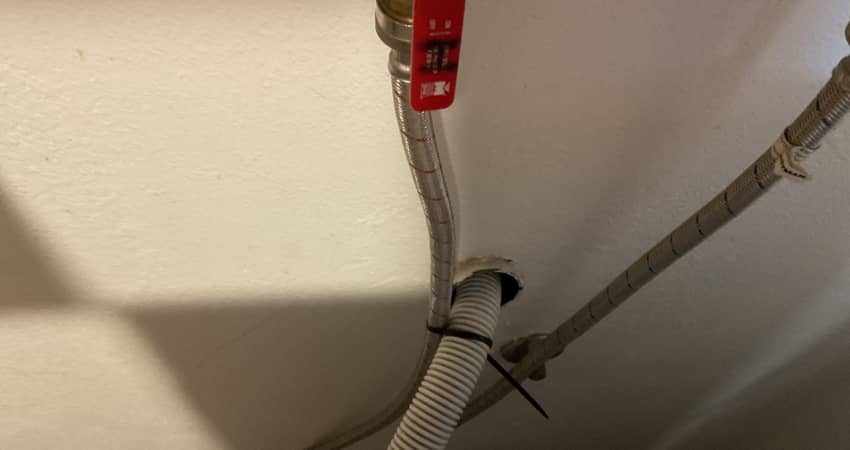
During the drain cycle, the washing machine pumps water through a flexible discharge hose and into a vertical standpipe. That standpipe connects to the home’s drainage system, and it must handle the washer’s discharge rate without allowing water to rise over the top. If the line is restricted, damaged, too small, or poorly vented, water may spill from the standpipe.
Modern washers can discharge water quickly. A drain system that worked with an older appliance may begin overflowing after a newer or higher-capacity machine is installed.
Lint and Detergent Can Clog the Line
Lint does not always remain inside the washer or dryer filter. Small fabric fibers leave with the wash water and can collect inside the drainpipe. The lint may combine with detergent residue, fabric softener, dirt, hair, and oils from clothing. Over time, this material forms a coating that narrows the pipe and slows drainage.
Early warning signs may include gurgling from the standpipe or water rising briefly before draining. Eventually, the restriction can become severe enough to cause an overflow.
Using too much detergent can make the problem worse. Follow the washer and detergent manufacturer’s instructions, especially when using concentrated or high-efficiency products.
Older Drainpipes May Be Restricted
Many Sun City homes have plumbing systems that have been in service for decades. Depending on the home’s age, drain lines may contain older materials that have corroded or deteriorated internally. Rust, mineral deposits, scale, and years of residue can reduce the usable opening inside a pipe. The drain may appear large enough from the outside while having very little capacity remaining inside.
Aging pipes may also have rough interior surfaces that catch lint and debris. If a washing machine drain clogged once and continues to overflow after basic cleaning, the pipe may need professional inspection and cleaning.
The Drain May Be Too Small
Some older homes have standpipes or drain lines that are undersized for the pumping rate of a newer washer. In this situation, the pipe may not be completely blocked. It simply cannot move water away fast enough.
This problem often shows up after an appliance replacement. The previous washer drained normally, but the new machine causes the standpipe to fill during every cycle.
The Drain Hose May Be Installed Incorrectly
The washer’s discharge hose must be positioned correctly inside the standpipe. When inserted too deeply or sealed tightly around the opening, it may interfere with airflow or contribute to siphoning. The hose must also be secured so it cannot jump out while water is being pumped.
Poor Venting Can Slow Drainage
Plumbing vents allow air to enter the drainage system as wastewater moves through the pipes. Without sufficient airflow, water may drain slowly, gurgle, or push air through nearby fixtures.
A blocked, damaged, or improperly configured vent can contribute to washing machine drainage problems. Venting should be considered when the washer drain and nearby sinks, tubs, or toilets all make unusual noises.
The Blockage May Be Farther Away
The clog is not always directly beneath the washing machine. Laundry drains may connect to a branch line shared by a utility sink, kitchen, or bathroom. So, if water appears in another fixture when the washer drains, the obstruction may be located beyond the point where those pipes connect. Multiple slow drains can indicate an even larger main sewer line problem.
Why an Overflow Needs Prompt Attention
When a washing machine drain is clogged, it can overflow and damage flooring, drywall, baseboards, cabinets, and belongings stored in the laundry area. Water can also travel beneath finished surfaces before the damage becomes visible.
The damage may not be covered under your homeowner’s insurance, especially if it’s gone unnoticed for some time. In many cases, it gets classified as a neglected maintenance issue and claims are denied. FYI, property water claims average nearly $14,000.
What to Do When Water Overflows
Stop the washer and do not run another cycle. Remove standing water promptly, but avoid outlets, cords, or appliances if water has created an electrical hazard.
Do not repeatedly test the drain with full loads. Each attempt may release more water into the home. Avoid pouring chemical drain cleaner into the standpipe because it may not reach the clog and can create a hazard for anyone working on the line.
Recurring overflows, sewage odors, gurgling fixtures, or backups elsewhere in the home require professional diagnosis.
Searching for “washing machine drain clogged near me” in Sun City? Let the highly-trained technicians at George Brazil Plumbing & Electrical diagnose your problem and recommend solutions. We offer same-day service and upfront pricing before the work begins. Call us today.