
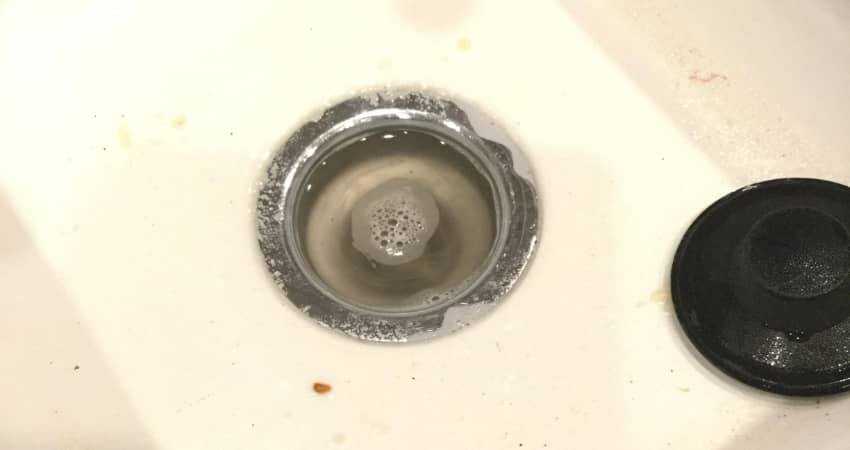
Pouring baking soda and vinegar down a slow drain is a popular household plumbing remedy. The mixture fizzes dramatically, making it appear as though it is breaking apart everything inside the pipe.
The reaction can help loosen light residue and reduce some odors, but it is not powerful enough to clear every blockage. Before relying on baking soda and vinegar for clogged drain problems, it helps to understand what the mixture can do, what it cannot do, and when a different solution is necessary.
Why Baking Soda and Vinegar Fizz
Baking soda is alkaline. Vinegar is acidic. When combined, they react and release carbon dioxide gas, which produces the bubbling and foaming action. The fizz may help disturb loose material near the drain opening. Baking soda can also provide mild scrubbing action, while vinegar may help dissolve some mineral or soap residue.
However, the chemical reaction neutralizes both ingredients relatively quickly. Once the bubbling stops, the mixture becomes much less active. It does not continue dissolving a large clog as it travels through the pipe.
That means the dramatic reaction is not necessarily evidence that the blockage is being removed.
Which Drain Problems Might It Help?
Baking soda and vinegar may be useful when a drain is only slightly sluggish and the problem involves light buildup rather than a solid obstruction.
It may help with:
- Minor soap residue inside a bathroom sink
- Light organic buildup near a drain opening
- Mild odors caused by residue in the pipe
- A kitchen drain that is beginning to slow
- Routine maintenance after visible debris has been removed
For a minor problem, remove the drain stopper or cover and clean away any visible hair, food, or debris first. Pour about half a cup of baking soda into the drain, followed by a similar amount of white vinegar.
Covering the opening for several minutes may help keep the reaction inside the drain. After the fizzing stops, flush the pipe with warm tap water. Avoid using boiling water unless you know the plumbing material can tolerate it. Very hot water can soften some plastic piping, damage seals, or stress older drain components.
What Baking Soda and Vinegar Cannot Clear
Baking soda and vinegar for a clogged drain is not likely to remove a substantial blockage. It does not dissolve dense hair mats, heavy grease deposits, wipes, food masses, tree roots, or foreign objects.
A shower drain clogged with hair usually requires the hair to be physically removed. The fizz may pass around the blockage without breaking it apart.
Kitchen clogs can be equally resistant. Grease may coat the pipe walls and trap layers of food waste, coffee grounds, starch, and soap residue. Baking soda and vinegar may loosen a small amount of surface material without removing the larger obstruction.
The treatment also cannot repair a sagging, cracked, collapsed, or misaligned pipe. When a drain keeps clogging because of structural damage, cleaning methods may provide only temporary improvement.
Mechanical Methods Usually Work Better
When learning how to clear a clogged drain, start by removing the material causing the blockage whenever possible.
For sinks, remove and clean the stopper. Hair, soap residue, and toothpaste often collect directly below it. A small plastic drain tool can retrieve shallow hair clogs, although it should be used gently to avoid breaking it inside the pipe. A plunger may loosen a clog in a sink, shower, tub, or toilet. Use the correct type of plunger and create a tight seal over the drain opening.
A hand-operated drain snake can reach farther into the pipe and hook hair or break through soft material. Feed the cable slowly and stop if you encounter hard resistance. Forcing it may damage plumbing components or cause the cable to become stuck.
If the blockage returns quickly, the pipe may contain more buildup than basic tools can remove.
Avoid Chemical Drain Cleaners
When figuring out how to clear a clogged drain, it’s tempting to reach for a chemical cleaner. These products can sometimes dissolve hair or organic material, but they also introduce risks.
Many chemical drain cleaners contain caustic or corrosive ingredients, including sodium hydroxide. They can cause serious burns if they splash onto the skin or into the eyes, and fumes may irritate the nose, throat, and lungs. America’s Poison Centers reports that household cleaning substances account for about 6% of all poison exposures.
Chemical cleaners may also generate heat and damage certain pipes, seals, finishes, or disposals. If the product does not clear the blockage, corrosive liquid may remain trapped inside the drain and create a hazard for anyone who later uses a plunger or snake.
Note: Always tell a plumber when a chemical drain opener has already been used.
When to Call a Professional Plumber
Professional service may be needed when:
- The drain remains blocked after visible debris is removed
- The clog returns repeatedly
- More than one fixture is draining slowly
- Water backs up through another sink, tub, or shower
- The drain produces persistent gurgling or sewage odors
- A snake will not move through the line
- Wastewater or sewage is backing up into the home
A plumber can determine whether the problem involves localized buildup, a deeper branch-line clog, tree roots, or damaged piping. Professional drain-cleaning equipment can remove more of the obstruction than a temporary home remedy.
Baking soda and vinegar for clogged drains can be useful for mild residue, odors, and routine maintenance. However, don’t expect it to dissolve a serious clog. If water has stopped moving, the blockage keeps returning, or several drains are affected, contact George Brazil Plumbing & Electrical.