
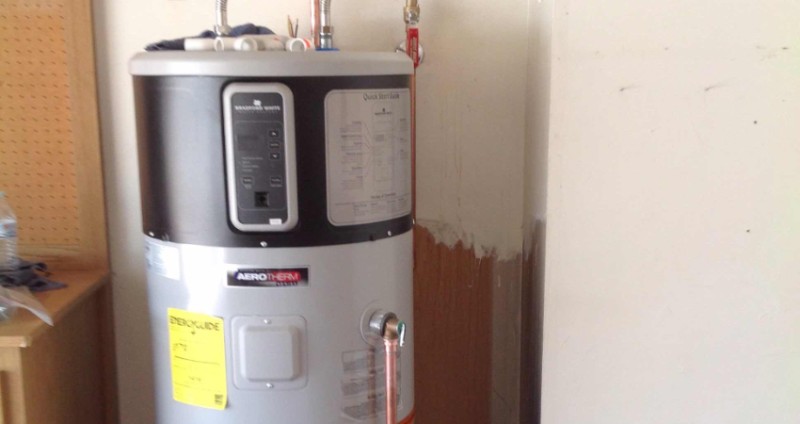
Many Sun City West homes were built in the 1980s and 1990s, and the first question before installing a heat pump water heater is not tank size or even price. It is whether the home’s electrical system can support the equipment. Many heat pump models require a dedicated 240-volt circuit, and some older homes may need new wiring, breaker capacity, panel work, or an electrical-service upgrade before installation.
A professional heat pump water heater installation should start by evaluating electrical capacity, installation location, and total project cost. Rebates may also affect the economics, but in Sun City West those incentives depend heavily on your utility provider and eligibility for state programs.
Do Heat Pump Water Heaters Need 240 Volt Service?
For most residential models, the answer to do heat pump water heaters need 240-volt service is yes, although exact requirements vary by manufacturer and model.
A compatible installation may require a dedicated 240-volt circuit, the correct breaker size, properly sized wiring, enough open breaker capacity, and sufficient overall electrical service. So, your home might already have 240-volt service and still not be ready for a specific water heater if the panel is heavily loaded or the existing circuit does not match the appliance requirements.
In Sun City West, many homes were designed decades before today’s mix of high-demand electrical equipment became common. Air conditioners, electric ranges, pool equipment, EV chargers, and other upgrades may already be using much of the available capacity.
An electrician can perform a load calculation and inspect your existing panel, breaker spaces, wiring, and water-heater circuit before the equipment is selected. Older age by itself does not mean a panel must be replaced, but it does make verification especially important.
What Is a Heat Pump Water Heater?
A conventional electric tank uses resistance elements inside the tank. A heat pump model captures warmth from the surrounding air and transfers that heat into the water. Most residential units still include electric resistance elements as backup, which is why they are often called hybrid water heaters. That difference is the short answer to what is a heat pump water heater, and it is what separates the two types on your energy bill.
Electric water heating already represents a large share of the U.S. market. More than half of U.S. water heaters sold during the past year were electric, and many of them were hybrid models, including heat pump water heater installation.
How Does a Heat Pump Water Heater Work?
To understand how does a heat pump water heater work, it helps to follow the heat path:
- A fan draws surrounding air into the unit.
- Refrigerant absorbs heat from that air.
- A compressor raises the refrigerant temperature.
- The captured heat is then transferred into the water stored in the tank.
- Cooler air is discharged back into the surrounding room.
Because the system moves heat that already exists, it can use less electricity than a conventional resistance heater under suitable conditions. Hybrid models can switch on resistance elements when faster recovery is needed, such as after several showers or another period of heavy hot-water demand.
Arizona’s climate can be favorable for this technology. A warm garage or utility area can provide a steady source of ambient heat, provided the installation meets manufacturer requirements for room volume, airflow, clearance, and drainage.
Does Your Heat Pump Water Heater Installation Location Work?
A heat pump water heater also needs an appropriate physical location. A garage is often a practical choice in Sun City West because it may provide more open air than a small interior utility closet. However, the installer still needs to confirm several conditions:
- Adequate room volume and airflow
- Manufacturer-specified clearances
- Access for future service
- Condensate drainage
- Existing plumbing locations
- Tank height and footprint
- Distance from the electrical panel
- Acceptable fan and compressor noise
Unlike a standard electric tank, a heat pump water heater produces condensate as it removes heat and moisture from the surrounding air. That moisture needs a proper drain path.
The location can affect both feasibility and price. A straightforward garage replacement may require relatively little modification, while moving the unit or adapting a confined space can add labor and material costs.
How Much Does Heat Pump Water Heater Installation Cost in Sun City West?
A typical heat pump water heater cost in Arizona typically costs $2,500 to $5,000 installed, although the final price depends heavily on the equipment and the home.
The total can include:
- The water heater
- Removal and disposal of the old unit
- Plumbing modifications
- Electrical work
- Condensate drainage
- Labor
- Permit and inspection costs
- Relocation, when necessary
So, the heat pump water heater cost is only part of the installation cost. Any needed electrical upgrades can make the biggest difference between a simple replacement and a more expensive project.
What Can Push the Cost Higher?
Several conditions can increase the installed price:
- A new dedicated 240-volt circuit
- A long wiring run between the panel and water heater
- Limited breaker space
- Panel modifications
- An electrical-service upgrade
- Conversion from a gas water heater
- Relocating the equipment
- Difficult installation access
- Larger or higher-efficiency models
Bradford White Heat Pump Water Heater Options
George Brazil Plumbing & Electrical often installs Bradford White heat pump units. Bradford White is one of the nation’s largest water heater manufacturers, including the current AeroTherm G2 line.
Bradford White’s AeroTherm G2 models are available in 50-, 65-, and 80-gallon capacities. The line also includes Wi-Fi and Bluetooth connectivity, along with scheduling controls that let homeowners manage operation around household routines.
The 80-gallon model can reach an Energy Factor of up to 4.0, according to current product specifications. That level of efficiency illustrates why heat pump technology can use substantially less electricity than traditional resistance heating when installed and operated under suitable conditions. In fact, ENERGY STAR reports a certified heat pump water heater can reduce energy usage by up to 70%.
Smart Controls Can Also Affect Operating Costs
Smart controls can also influence how efficiently a heat pump water heater operates.
A 2026 study found energy-cost reductions of 23% to 37% when advanced predictive controls were used, depending on the operating strategy and electricity-rate structure studied. Sun City West heat pump water heaters with such technology built in may provide additional savings.
Heat Pump Water Heater Rebates in Sun City West for 2026
A heat pump water heater rebate can reduce the upfront cost, but availability is limited in Sun City West. APS is the dominant electric utility in the Sun City West area. As of September 2026, it does not offer a residential rebate specifically for heat pump water heaters. APS does offer Cool Rewards, which provides a $50 enrollment credit and a $35 annual participation credit, but that program applies to qualifying HVAC participation rather than water heaters.
If you are served by SRP, there’s a rebate of $500 for qualifying heat pump water heaters, but SRP does not serve Sun City West. Other options for heat pump water heater rebates may include:
- Efficiency Arizona: Qualifying households may be eligible for up to $1,750 toward a heat pump water heater, potentially up to $4,000 for an electrical panel, and up to $2,500 for qualifying wiring associated with the project.
- HEAR: Low-income Arizona households may also qualify for larger electrification incentives through the Home Electrification and Appliance Rebate program, depending on household income, project eligibility, and available funding.
The federal Energy Efficient Home Improvement Credit that previously included qualifying heat pump water heaters is no longer in effect.
Because incentive rules can change, you should verify eligibility for any heat pump water heater rebates before purchasing equipment or signing an installation contract.
What Happens During a Sun City West Heat Pump Water Heater Installation?
Installing a heat pump unit is more involved than simply removing one tank and setting another in its place.
Before Installation
The contractor evaluates the existing water heater, plumbing, electrical service, available panel capacity, installation space, drainage options, and equipment requirements. This is when potential problems are easiest to identify. If a new circuit or panel work is needed, it can be included in the project scope before installation starts.
During Installation
The old water heater is drained, disconnected, and removed. The installer makes any needed plumbing and electrical modifications, adds condensate drainage if needed, positions the new unit, and completes the water and electrical connections.
A conversion from gas can require additional work because the existing location may not have a suitable 240-volt circuit.
Before the Installer Leaves
The system is filled, checked for leaks, powered up, and tested. The installer will verify operating modes, confirm that electrical connections are functioning correctly, and review the controls and maintenance requirements with you. Knowing those steps in advance makes a heat pump water heater installation much easier to plan around.
Comparing Electric vs. Heat Pump Water Heater Installation
Here’s how the process compares when comparing your installationoptions.
| Installation Factor | Standard Electric | Heat Pump |
| Electrical circuit | Typically 240V | Often 240V; model dependent |
| Airflow requirement | Minimal | Important |
| Condensate drain | Usually not needed | Typically required |
| Space requirements | More flexible | More room may be needed |
| Operating noise | Minimal | Some fan and compressor noise |
| Installation complexity | Often simpler | May require additional work |
| Electricity use | Higher | Significantly lower |
| Upfront cost | Lower | Higher |
For an older Sun City West home, the most important differences are usually airflow, condensate management, and electrical capacity. A standard electric tank may be easier to swap in place, while a heat pump system may require more planning but can offer substantially lower energy use over time.
Is a Heat Pump Water Heater a Good Fit for Your Sun City West Home?
Sun City West heat pump water heaters tend to make the most sense when the house already has adequate electrical capacity, the water heater can be installed in a suitable garage or utility area, and you want to lower your monthly electrical usage.
A conventional electric tank may still be the practical choice when minimizing upfront cost is the top priority or when the existing installation area would require extensive modification. The decision should start with the house, not the equipment brochure. The right unit is the one that matches the home’s electrical capacity, physical space, plumbing, and budget. You’ll want to have a formal evaluation for a qualified contractor like George Brazil to determine what’s needed and the actual heat pump water heater costs.
Frequently Asked Questions — FAQs About Sun City West Heat Pump Water Heater Installation
Does every heat pump model require 240 volts?
No. Electrical requirements vary by model, although most popular residential units do require 240 volts. Even when a home has 240-volt service, the circuit, breaker, wiring, and panel capacity still need to be appropriate for the selected appliance.
Can I install a heat pump water heater in my garage?
A garage can be a good location because it may provide ample air volume and warm ambient temperatures. The installer still needs to verify clearances, airflow, drainage, electrical requirements, and access for service.
How much does installation typically cost?
In Arizona, a typical installed price is about $2,500 to $5,000. The final amount depends on the water heater, electrical work, plumbing modifications, installation location, and whether panel or service upgrades are necessary.
What is a heat pump water heater? How does a heat pump water heater work?
A heat pump water heater is an electric storage tank water heater that moves heat from the surrounding air into the water instead of generating heat from electrical resistance or a gas burner. It is especially efficient in warm weather climates like we have in AZ, reducing energy consumption significantly.
Are there rebates for Sun City West heat pump water heaters?
APS does not currently offer a dedicated residential rebate for these units, but qualifying homeowners may be eligible for Arizona state programs, such as Home Electrification and Appliance Rebate and Efficiency Arizona. Both programs have strict guidelines and are typically reserved for low-income households.
George Brazil Plumbing & Electrical can evaluate your Sun City West home’s electrical capacity, installation space, and water-heating needs and recommend a heat pump water heater system that fits your home and budget. Schedule water heater installation service today.