
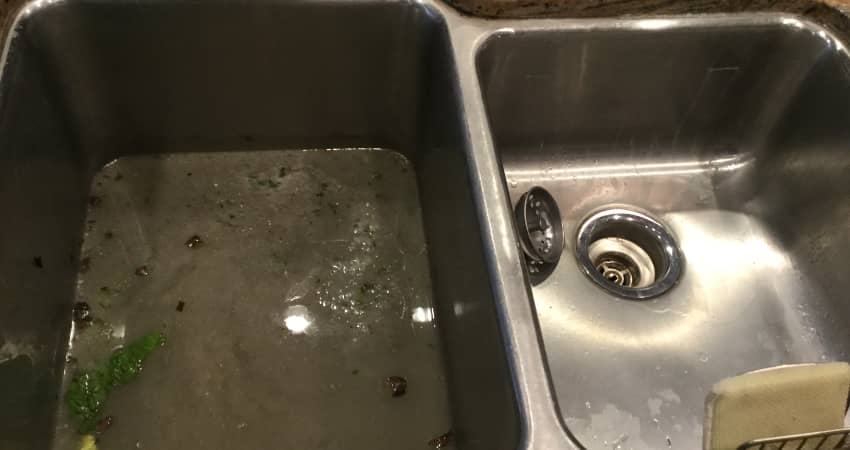
A kitchen sink rarely clogs because of one large object. Most blockages develop gradually as grease, food particles, soap residue, and other debris collect inside the drainpipe. You might clear the immediate obstruction and assume the problem is solved, only to find the sink draining slowly again a few weeks later. A kitchen drain clogged more than once usually points to an everyday habit that keeps feeding the buildup.
Understanding what belongs in the sink, what belongs in the trash, and how to use a garbage disposal properly can help prevent recurring clogs.
Grease Is Often the Main Culprit
Fats, oils, and grease are among the most damaging materials routinely poured into kitchen sinks. In fact, the Environmental Protection Agency estimates that grease contributes to approximately 47% of sanitary sewer blockages.
Cooking oil may be liquid when it enters the drain, but it can cool, thicken, and stick to the walls of the pipe. Other debris then attaches to the greasy coating. Food particles, soap, coffee grounds, and sediment gradually accumulate until the opening becomes too narrow for water to flow normally.
Running hot water while pouring grease into the sink can actually make things worse. The water cools as it moves through the plumbing, allowing the grease to solidify farther down the line. Instead, pour used grease into a disposable container and place it in the trash after it cools. Wipe greasy pans, dishes, and utensils with a paper towel before washing them.
Your Garbage Disposal Can’t Handle Everything
A garbage disposal can grind small amounts of appropriate food waste, but it is not a substitute for a trash can. Several common kitchen scraps can create problems:
- Coffee grounds can collect inside pipes and combine with grease.
- Pasta and rice absorb water, expand, and form a thick paste.
- Potato peels may turn into a starchy mass.
- Celery, corn husks, and onion skins can wrap around disposal components.
- Bones, fruit pits, and hard shells can damage or jam the unit.
- Eggshell membranes may contribute to buildup.
Scrape plates into the trash or a compost container before rinsing them. Feed acceptable scraps into the disposal gradually rather than pushing in a large amount at once.
Run cold water before turning on the disposal, keep it running while the disposal operates, and continue the water for several seconds afterward. Cold water helps keep more solid grease firm enough to move through the line rather than coating it.
Too Much Food Goes Down Sinks Without Disposals
A kitchen does not need a garbage disposal to develop a food-related clog. Small particles can wash through the drain basket every time dishes are rinsed. A few crumbs may seem harmless, but repeated exposure can create buildup that leads to a clogged sink drain. Rice, flour, dough, cereal, vegetable peels, and coffee grounds are particularly likely to collect in the pipe or combine with grease.
Use a mesh sink strainer to catch food particles before they enter the drain. Empty the strainer into the trash after washing dishes rather than rinsing its contents down the sink.
This simple habit can make a significant difference in busy Sun City kitchens.
Soap Can Add to the Buildup
Dish soap is designed to break up grease, but it does not make unlimited amounts of grease safe for your plumbing. Some soaps can also leave residue that combines with minerals, food particles, and oils.
Using more detergent than necessary will not make dishes substantially cleaner. It may instead send additional residue into the drain. Follow the recommended amount for your dish soap or dishwasher detergent. Scrape and wipe dishes before washing them so the soap does not have to work through a heavy layer of grease and food.
Why Do Kitchen Sink Clogs Keep Returning?
A recurring clogged sink drain usually means the original blockage was not fully removed. A plunger or chemical cleaner may create a small channel through the debris without cleaning the material attached to the pipe walls. Water may flow normally for a short time, but the remaining buildup quickly begins catching new grease and food waste.
Recurring clogs may also result from:
- A partially blocked drain trap
- An improperly installed disposal
- A sagging or damaged drainpipe
- Buildup farther down a shared branch line
- A main sewer line obstruction affecting other fixtures
If the kitchen sink backs up when another appliance runs, or several fixtures are draining slowly, the problem may extend beyond the kitchen. It’s time to call the professionals at George Brazil Plumbing & Electrical for a more permanent fix.
Stop the Cycle of Kitchen Sink Clogs
Keeping grease, food scraps, and unsuitable materials out of the drain is the best way to prevent another blockage. Pay attention when the sink begins draining slowly rather than waiting for water to stop moving completely.
Contact George Brazil Plumbing & Electrical when your kitchen drain is clogged in your Sun City home, won’t clear, or keeps returning.