
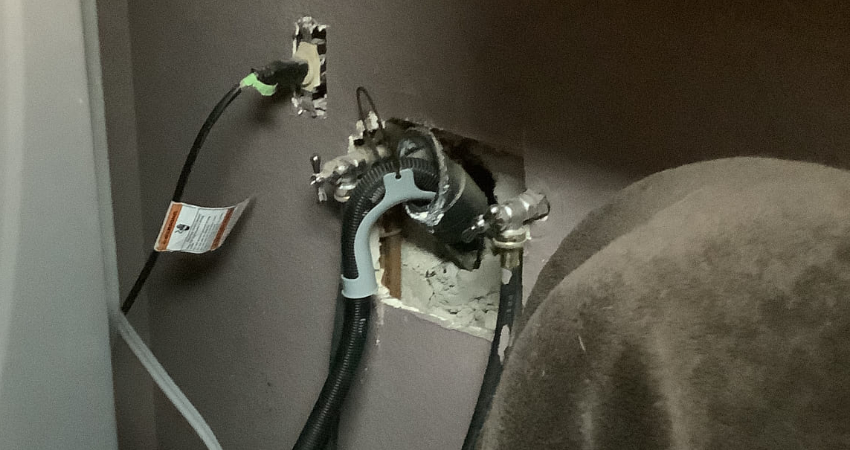
We’ve all been there: you walk into the laundry room or step into a hot shower, expecting the scent of “Fresh Linen” or “Spring Rain,” but instead, you’re hit with that awful smell. When your washing machine smells like sewage or your hot water heater smells like sewage, it’s easy to assume the worst. You might think your house is built on an ancient pipe graveyard or that your plumbing is failing. But sometimes your appliance just needs a little TLC.
Why Your Washing Machine Smells Like Sewage
Modern high-efficiency (HE) washing machines are great for the environment, but they are breeding grounds for bacteria. If your washing machine smells like sewage, the cause is usually one of three things:
1. Biofilm Buildup
Washing machines don’t always flush out all the soap suds and fabric softener. This creates what’s called biofilm, a layer of organic slime. Bacteria feast on this slime, releasing hydrogen sulfide gas.
The Fix: Run a “Clean Wash” cycle with a dedicated cleaner.
2. The Door Gasket
On front-loaders, the rubber seal traps moisture. If you leave the door closed between loads, mold and mildew can grow.
The Fix: Wipe the gasket after every wash and leave the door open to let it dry.
3. The Dry P-Trap
Behind your washer is a standpipe with a P-trap. This U-shaped pipe is supposed to hold water to block sewer gases from entering your home. If you haven’t used the washer recently, that water evaporates.
The Fix: Pour a gallon of water down the washer’s drainpipe to reset the trap.
Why Your Hot Water Heater Smells Like Sewage
If the smell only happens when you turn on hot water, your water heater is the likely offender. When a hot water heater smells like sewage, it’s almost always a chemical reaction rather than a literal sewage leak.
The Anode Rod
Tank water heaters have an anode rod that’s designed to stop tanks from rusting. However, when sulfate-reducing bacteria in your water react with a magnesium rod, they can produce hydrogen sulfide gas.
The Fix: A licensed plumber can replace a magnesium rod with a zinc-aluminum alloy rod, which typically stops the reaction.
Low Temperature Settings
Bacteria love lukewarm water. If your heater is set below 120°F, it’s not hot enough to kill off colonies living in the sediment at the bottom of the tank.
The Fix: Briefly turning the heater up to 140°F for several hours can kill the bacteria but be extremely careful to avoid scalding. Turn it back down to a safe level before using hot water again.
DIY Fixes to Try First
Before you call in the pros, try these steps to see if you can get rid of the smell.
For the washer, use two cups of vinegar in the detergent drawer and run a long, hot cycle. If vinegar fails, a diluted bleach cycle in the washer can sanitize the tub, but never mix bleach and vinegar. Mixing can create chlorine gas and is extremely dangerous.
For the water heater, flushing the tank to remove sediment can clear out your pipes and get rid of the source that causes bacteria to grow.
Pro Tip: Whether you have a bad odor or not, you should flush your water heater at least once a year to prevent mineral buildup.
Another thing to check is the plumbing vent on your roof. Birds like to build nests there, and debris from storms can get lodged in your vent. This causes air pressure issues that suck water out of your P-traps, letting smells in.
When to Call a Plumber
Some issues require a professional touch. You should call a plumber if:
- The smell persists after flushing: If you’ve cleaned the washer and flushed the heater and the scent remains, the issue might be deeper in your home’s plumbing system.
- You see black gunk in your water: If black flakes are coming out of your hot water taps, your internal tank lining may be failing.
- You can’t identify the source: Plumbers have special tools like water line cameras that can identify the source, and hydro jetting to clear any clogs or buildup.
Pro Tip: If the smell is present in both your cold and hot water, the issue is likely your water source and not your water heater or washing machine.
Call George Brazil for Same-Day Service
George Brazil Plumbing & Electrical has been serving the Phoenix metro area for more than 35 years, with highly trained technicians who can diagnose and fix any plumbing problem.
If your washing machine smells like sewage or your hot water heater smells like sewage, don’t assume it’s just the appliance. In many cases, it’s your plumbing system asking for attention. Call George Brazil to schedule service.