
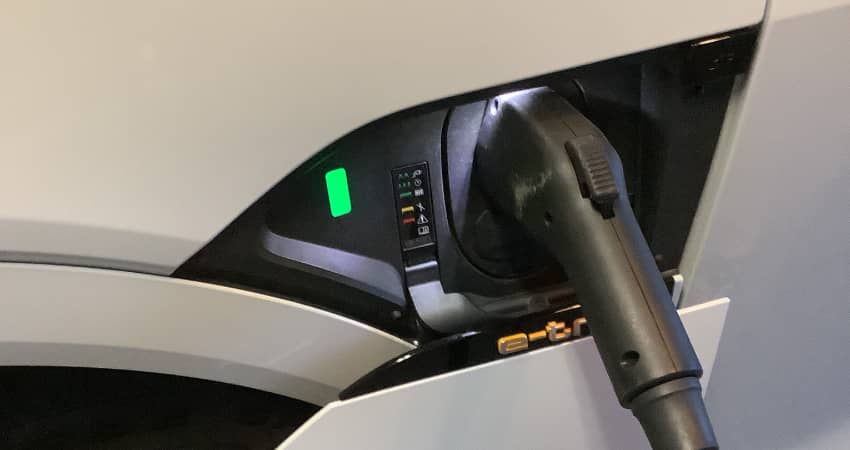
About 80% of EV charging happens at home. It’s easier and more convenient. A professionally installed Level 2 charger allows you to charge your electric vehicle overnight and start each day with a full battery.
However, charging places a significant electrical load on your system, and if you don’t use a certified electrician for EV charging installation, you might overload it and create safety risks.
EV Chargers Require More Than Basic Electrical Work
Level 2 EV chargers are faster than plug-in Level 1 chargers, but they require adequate capacity in your electric panel and a dedicated 240-volt circuit. Unlike many appliances that cycle on and off, EV chargers may draw power continuously for hours at a time. That means the wiring, breaker, and panel must all be properly sized to handle the demand safely.
If you don’t hire a certified EV charger installer, you might damage breakers, overheat wires, and even start a fire.
Arizona Heat Can Increase Electrical Stress
The high heat in Phoenix puts a heavy demand on our electrical systems, especially during those 100+ days a year where temps hit 100 degrees or higher. You don’t want to risk problems with your AC by putting even more strain on your electrical system with an EV charger, especially for older homes.
If you plan to install a charger outside, you also have to deal with heat and monsoon storms. So, you want a certified EV charger installer who understands how to properly size wiring, breakers, and circuits for Arizona conditions.
Improper Installations Can Lead to Long-Term Problems
In the short term, a poor installation may not charge your vehicle properly. But in the long term, you can have far greater problems. If you damage your electrical panel, you may need to replace it altogether. Fail an inspection? Pay twice to get it done right. Fire? Your homeowner’s insurance may deny your claim because you fail to get a professional installation from a qualified electrician. And if your charger breaks, you may have voided the warranty.
Why Certification and Experience Matter
Not all electricians or general contractors are experienced or certified electricians for EV charging installation. You need to work with someone who understands the National Electrical Code requirements for dedicated circuits, breaker sizing, grounding, and continuous electrical loads that EV chargers demand.
They also have to determine whether your electrical system can safely support the added demand.
A certified EV charger installer will do formal load calculations, taking into account:
- Existing appliance demand
- Air conditioning systems
- Available breaker space
- Overall panel capacity
- Future electrical needs
Without proper load calculations, a home may appear capable of supporting EV charging when the system is already operating near its limit.
Permits And Code Compliance Protect Homeowners
Permits help ensure that EV charging systems are installed safely and comply with current electrical codes. In the Phoenix area, you’ll need a permit and inspection to be legal. A certified installer helps ensure the charger installation meets current safety standards from the beginning.
They will also handle coordinating permits, scheduling required inspections, and providing you with the necessary documentation.
Future-Proofing Your Home
You can start with one electric vehicle and add another later. Or you decide to add smart charging options or upgrade your HVAC system in the future. A certified EV charger installer will take your future needs into account and help you plan for what you’ll need.
Older Phoenix Homes May Need Additional Evaluation
Most homes in our area were built well before electric vehicles existed. Even in the last few years, few homes were built with the infrastructure needed to support EV charging without modification. So, you should get a professional evaluation that looks for:
- Older panels that lack capacity: Some older homes still use 100-amp panels or outdated electrical equipment that may not safely support EV charging demand.
- Breaker space, which may be limited: Many older panels have little or no available breaker space for a dedicated EV charging circuit.
- Electrical systems that are already near capacity: Pools, spas, electric water heaters, and modern appliances can leave little remaining capacity for EV charging.
For safe, code-compliant EV charger installation in the Phoenix area, trust the certified electricians for EV charging installation at George Brazil Plumbing & Electrical. Schedule a home electrical assessment today. At George Brazil, you always get honest recommendations with upfront pricing.