
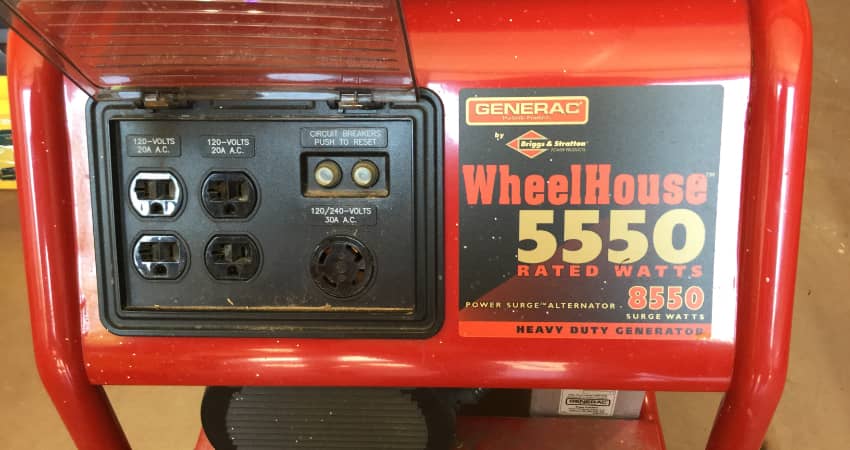
If you are asking, what size generator do I need for my house, the answer depends on which appliances and systems you want to keep running during an outage. An Arizona home backing up only essential circuits may need a much smaller standby generator than one expected to run central air conditioning, refrigeration, lighting, pool equipment, and major appliances at the same time.
Start With What You Want to Keep Running
Generator sizing starts with deciding what level of backup you want. Essential-load backup covers only the systems you consider most important during an outage. That might include the refrigerator and freezer, a few lights, internet equipment, the garage-door opener, and selected outlets.
Partial-home backup adds more circuits, potentially including certain kitchen appliances or one HVAC system. Whole-home backup is designed to support most or all of the home’s normal electrical needs. That can require considerably more generator capacity, especially when large electrical loads operate simultaneously.
In Arizona, central air conditioning can make a major difference in that calculation. Electric water heaters, ranges, dryers, pool pumps, and other high-demand equipment can also increase the amount of generator capacity you need.
How Many Watts Do I Need to Run My House?
Once you figure out what you want to keep running, the next question is how many watts do I need to run my house? You can check the devices to find out, but simply adding up the wattage shown on appliances may not provide the full answer.
Electrical equipment has both running wattage and, in many cases, starting or surge wattage:
- Running watts represent the electricity equipment needs during normal operation.
- Starting watts are the brief additional power required when motors or compressors first turn on.
Air conditioners, refrigerators, pumps, and other motor-driven equipment can require significantly more electricity at startup than they do once they are running. That means a generator sized only around normal operating wattage could be overwhelmed when several large loads start at once. Proper sizing must account for both continuous electrical demand and short-term startup requirements.
HVAC Is Typically the Biggest Sizing Factor in Arizona
For most of us in Arizona, air conditioning is the single biggest factor in standby generator sizing. A central AC system represents a substantial electrical load, and its compressor may require additional power when starting. Homes with two or more HVAC systems require even greater capacity.
When calculating generator requirements, an electrician may consider the size of each AC system, compressor startup requirements, the number of cooling systems you want available during an outage, and what other appliances could be operating at the same time.
Load-management equipment can sometimes help reduce the generator capacity required. These systems prioritize electrical loads and temporarily prevent certain large appliances from operating simultaneously. For example, the system may prioritize air conditioning while delaying another high-demand appliance. This approach can sometimes provide the backup coverage a homeowner wants without automatically moving to a much larger generator.
Bigger Is Not Always Better
Buying the largest standby generator available may sound like the safest approach, but oversizing can create unnecessary costs. Larger generators generally cost more to purchase and install and may consume more fuel. Depending on the home, additional equipment or electrical modifications may also be necessary.
Going too small creates the opposite problem. An undersized generator may become overloaded when several systems operate at once. That could result in equipment shutting down or homeowners being unable to power the appliances they expected to use.
The goal is to match generator capacity to the home’s actual electrical demand and the homeowner’s backup priorities.
A Generator Sizing Calculator
Generac provides a four-step online sizing calculator that can help you with an initial estimate. You can identify the size of your home and select the appliances and systems you would like to operate during an outage to see potential generator options.
It is a useful planning tool, but the online estimate doesn’t replace a professional load calculation before installation. An electrician will evaluate the actual electrical characteristics of your home and account for loads that may not be obvious from a simple checklist.
Standby Generator vs. Portable Generator: Safety Risks
If you’re think about whether you need permanent standby power vs. a portable generator, keep this in mind. The Consumer Product Safety Commission reports that nearly 100 Americans die each year from carbon monoxide poisoning associated with portable generators.
What size generator do I need for my house? Call the experienced professionals at George Brazil Plumbing & Electrical today for a free evaluation.