
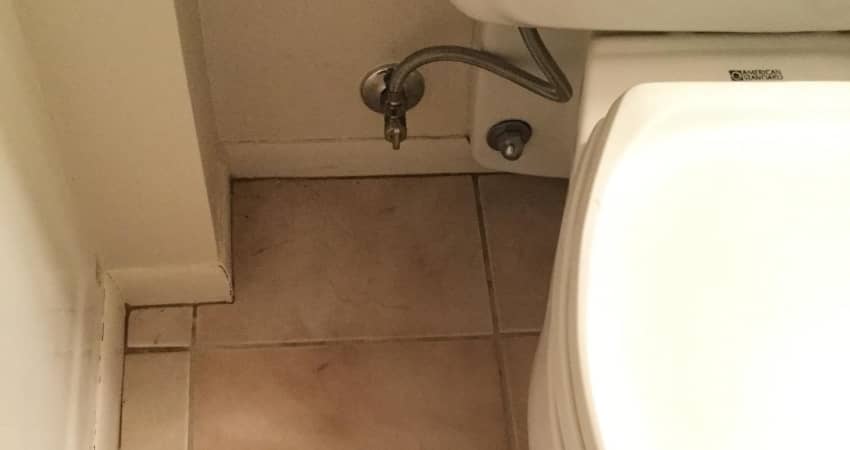
A sewage smell from the toilet might just mean your p-trap has dried out, and a good flushing or two can refill it. It might be a drain that’s starting to clog and needs to be cleaned. Or there’s a crack in the wax ring that connects your toilet to the sewer line.
In some cases, however, it could be the early warning sign of something happening deeper in your plumbing, including tree roots getting into your pipes. Roots are notorious for finding the smaller cracks or loose fittings and getting into sewer lines. They grow slowly, so you may not notice at first, but over time they expand and can cause significant damage. One of the first clues you may see as they start to restrict wastewater flow is a sewage smell in your home.
If you’re dealing with sewer smells and the simple fixes don’t get rid of it, or they keep coming back, schedule a service call with George Brazil today to avoid major, expensive repairs as the situation gets worse.
Tree Roots Are a Common Sewer Problem in the Phoenix Area
You might think that tree roots wouldn’t be a big worry with our desert soil, but it’s actually the opposite. Tree roots are constantly trying to find moisture. With the desert soil, especially during extended dry periods, sewer pipes become an attractive source of nutrients.
Phoenix-area homes can be particularly vulnerable because many neighborhoods feature mature landscaping combined with aging sewer infrastructure. Older clay pipes, cast iron lines, and sewer connections with aging joints are especially susceptible to intrusion, and sewer pipes don’t last forever. Municipal sewer lines are already undergoing significant repairs, and many residential plumbing systems are nearing the same age.
Properties with large shade trees, long sewer runs, or older plumbing systems often face the highest risk.
How Tree Roots Create Sewer Odors Around Toilets
The smell itself isn’t caused by the roots, but they do create blockages that let sewage smell into your home. When a rush of water tries to force its way past the blockage, it can create a vacuum that siphons the water out of your p-trap. The decomposing gases can build upward pressure and bubble past the seal. Proper roof venting is designed to equalize this pressure, but a severe root clog downstairs can overwhelm your system. Either way, you need to clear the line before the barrier fails completely.
Even if the water’s flowing, you’ll want to get it looked at before it leads to a severe blockage or your sewer pipes break.
Even if trees seem far away from your pipes, they can travel large distances. It’s not unusual for roots to extend up to five times the diameter of the tree canopy, especially in sandy or desert soil.
Warning Signs Are Easy to Miss
Many sewer line problems start with minor symptoms that are easy to miss. For example:
- Sewage smell from the toilet
- Intermittent sewer odors
- Slow-flushing toilets
- Gurgling sounds from drains or toilets
- Multiple slow drains
- Recurring drain clogs
- Occasional backups
Because toilets connect directly to larger drain lines, they are often the first plumbing fixture to reveal a developing sewer problem. When your toilets flush slowly or sewer odors build up in your bathroom, it’s time to call in a plumber to evaluate the problem.
What Happens If Tree Roots Continue Growing?
Once tree roots get in your pipes, they’ll keep growing. It’s only a matter of time before they cause clogs and damage your pipes.
| If Roots Continue Growing | Potential Result |
| More roots accumulate inside the pipe | Reduced wastewater flow |
| Debris becomes trapped on root masses | Frequent clogs and slow drains |
| Root pressure increases | Cracks and separated pipe joints |
| Damage spreads through the line | Larger repair areas |
| Sewer flow becomes restricted | Sewage backups into your home |
| Pipe deterioration worsens | Higher repair or replacement costs |
The earlier you identify tree roots as the problem, the more options you have to fix the problem without needing extensive (and expensive) sewer line repairs.
Diagnosis and Treatment Options
The only way to know if you’ve got tree roots in your sewer lines is to inspect. A sewer camera inspection can give you a visual look at what’s going on inside. Once the cause is known, plumbers can recommend the best solution. This might include:
- Mechanical root removal
- Hydro jetting
- Localized pipe repairs
- Pipe relining or trenchless pipe bursting
- Sewer line repair or replacement
For Phoenix homeowners, sewer line replacement projects often cost several thousand dollars, with expenses varying based on pipe material, accessibility, excavation requirements, and overall damage. Fixing the problem earlier can save you from these major repairs.
If you’re experiencing a sewage smell from toilet fixtures or a recurring sewage smell in your home, schedule a visit from the professionals at George Brazil Plumbing & Electrical before it becomes a major plumbing emergency.