
Your kitchen smells terrible. You’ve emptied the trash. Wiped down the counters. Checked the refrigerator. Maybe you’ve even run the garbage disposal several times, thinking a little extra water will flush out whatever is causing the odor.
Yet the smell keeps coming back.
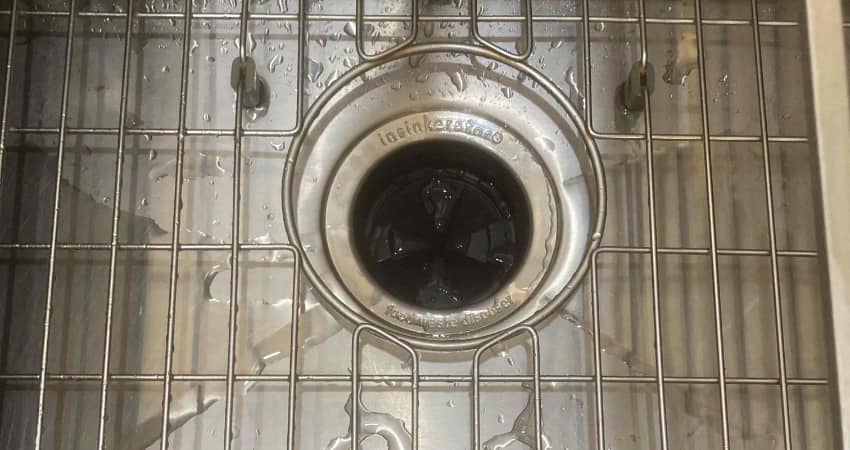
The garbage disposal smell may be caused by food stuck to the blades, but more likely it’s the rubber splash guard that stops forks and spoons from going down the drain and stops water from splashing back up at you when you turn on the disposal. Tiny food particles can get trapped underneath, and the area stays damp even after the disposal stop running. It creates an ideal environment for bacteria to grow. Over time, food starts to decompose and you get that nasty smell.
Some models let you pop it out to clean. With others, they’re built in. Cleaning your blade shield may get rid of garbage disposal smells. Sometimes, however, the problem is something else.
When Running the Disposal Doesn’t Eliminate the Smell
One of the biggest misconceptions about garbage disposals is that using them automatically cleans them. The disposal’s purpose is to grind food into smaller particles so it can flow through the plumbing system, but it’s not self-cleaning.
As food passes through the disposal, residue can cling to:
- The underside of the splash guard
- The walls of the disposal chamber
- The sink drain opening
- Areas above the grinding components
As a result, food residue gradually accumulates even when the disposal appears to be functioning normally. Everything may work efficiently but still produce garbage disposal smells.
This is why many homeowners notice a garbage disposal smell despite using the unit regularly.
Hard Water Can Make Garbage Disposal Smells Worse
Tempe homeowners face an additional challenge. We’ve got hard water all over this area and it leaves mineral deposits inside your plumbing system. As the mineral buildup, food particles, grease, and soap scum start to stick. That can create biofilm, a thin layer of bacteria and organic matter. Once it starts to stick, it traps odors and can clog your drain.
So, even if you clean the chamber and the blade shield, you may still get that smell.
Common Cleaning Mistakes That Don’t Solve the Problem
Homeowners try all sorts of things to get rid of the smell. Here are some of the more common ones. Hint: they won’t solve the problem.
- Grinding lemon peel in the disposal: This might mask the odor temporality, but it won’t remove the buildup that’s causing the garbage disposal smell.
- Running more water: This might flush loose debris that’s in the system, but it won’t likely get rid of residue that’s been building up.
- Pouring bleach down the drain: This is a bad idea, as it can damage some of your plumbing components and it also won’t get rid of buildup.
- Using ice in the disposal: Ice can help dislodge some residue, especially if there’s food stuck in the blades, but it doesn’t do anything for biofilm, bacteria, or buildup.
When a Garbage Disposal Smell Is Actually a Drain Problem
The smell may come from your sink, but it may have nothing to do with your garbage disposal. In fact, it could be warning you about a bigger problem.
Drain Line Buildup Below the Disposal
Grease, soap residue, food particles, and organic material can accumulate farther down the drain line. Even if the disposal is clean, these deposits may continue producing unpleasant odors.
Partial Drain Blockages
A slow-moving drain allows water and debris to remain in the pipe longer than it’s supposed to. As material builds up, odors become more noticeable.
Sewer Gas Issues
A sewage smell is different from the typical odor associated with food residue. If the smell resembles rotten eggs or sewage, the issue may involve sewer gas. This might indicate a problem with your drain traps, venting systems, or other plumbing components that require professional evaluation.
How to Get Rid of Garbage Disposal Smells for Good
Eliminating odors requires addressing the surfaces where buildup is occurring, so start with these steps.
Clean the Splash Guard Thoroughly
The underside of the splash guard should be cleaned regularly. A soft brush and cleaning solution can remove food particles and residue trapped beneath the rubber flaps.
Flush the Disposal and Drain Line
After cleaning, flush the system thoroughly to remove anything you’ve dislodged.
Address Recurring Odors Promptly
If smells continue despite cleaning efforts, the problem may exist deeper in the drain system. If the first two steps didn’t solve the issue, it’s time to call in a plumbing professional.
For persistent garbage disposal smells, slow kitchen drains, and professional drain cleaning, George Brazil’s experienced plumbers can identify the source of the odor and help restore a cleaner, fresher kitchen plumbing system. Call today for same-day service.