
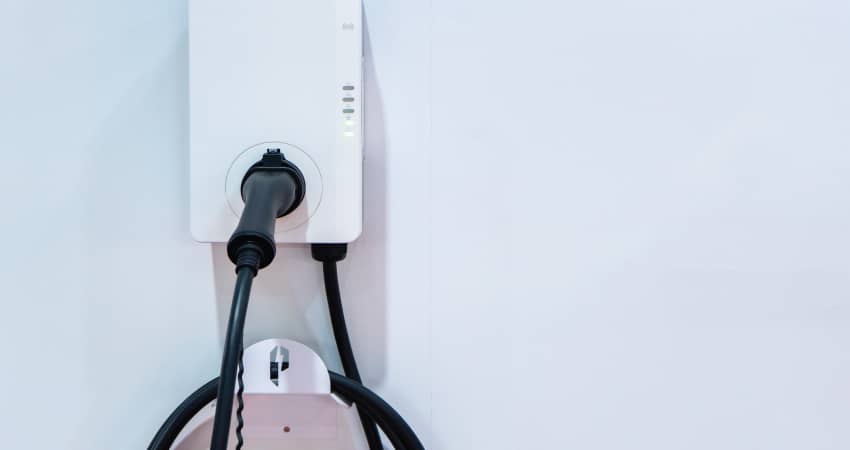
Electric vehicle ownership is growing rapidly. The Phoenix area ranks in the top 10 nationally, and the city is planning to support 280,000 EVs by 2030. While this requires a more robust public charging network, most homeowners in the Mesa area want a home charger to make charging easier. This typically means a Level 2 charger, which can typically give you a full charge in 8–10 hours.
If you’re considering installing an EV charger at your home, you’re probably wondering about a few things, such as:
- Do I need a permit to install an EV charger?
- Are there EV charger installation tax credits?
- How much does EV charger installation cost?
We’ve got the answers.
Do You Need a Permit to Install an EV Charger in Mesa?
Permits are required when you’re installing a dedicated 240-volt circuit or upgrading an electrical panel to support EV charging. These upgrades involve permanent electrical work that must meet local and national electrical codes.
A licensed, professional electrician completes all electrical work to code standards. Homeowners are responsible for obtaining any required permits through the City of Mesa. George Brazil handles permitting for electrical panel upgrades and gas line work, but permit applications for EV charger installations are filed by the homeowner or property owner.
In Mesa, the permit process can take one to two weeks on average, but there can be more delays during certain times of the year. After installation is complete, you will also need an inspection to verify that the work has been completed in compliance with building codes.
Are There EV Charger Installation Tax Credits?
While rebates and the ev charger installation tax credit have been popular for the past several years, there are fewer incentives available currently.
Federal EV Charger Installation Tax Credits
Federal incentives may help offset the cost of EV charger installation, depending on eligibility. These credits often apply to both equipment and installation costs, but requirements can be specific, and your eligibility may depend on income and location. So, you will want to determine whether there are any tax credits available and whether you qualify.
For example, the only current credit on the federal level is the Alternative Fuel Vehicle Refueling Property Tax Credit, available through June 30, 2026. The 30C EV charging tax credit offers up to 30% off the cost of installing EV chargers for low-income individuals living in non-urban census tracts. Mesa is not currently included in these tracts, but there are several hundred areas within Maricopa that may qualify.
Arizona and Local EV Charger Incentives
There are also no current EV charger installation tax credits at the state level right now, although these incentives can change over time.
There are certain incentives available from some utility companies, however. Depending on where you live in Mesa, you might get electricity from the Salt River Project (SRP), Arizona Public Service (APS), or City of Mesa Electric. Each offers different incentives.
| Provider | Incentive Type | Details |
| Salt River Project (SRP) | Residential Charger Rebate | Chargers can be purchased through the SRP Marketplace for an instant discount or elsewhere with a rebate application submitted within 90 days. |
| EV Community Bill Credit | $50 bill credit for joining the SRP EV Community program. | |
| Special Electricity Rate | EV Price Plan with super off-peak charging rates significantly lower when charging between 11:00 p.m. and 5:00 a.m. | |
| Arizona Public Service (APS) | EV Charging Assistant Rewards | $25 enrollment bill credit plus a $5 monthly participation when enrolled. |
| EV Data Rewards | $25 enrollment bill credit plus a $5 monthly participation incentive for sharing EV charging data with APS. | |
| Special Electricity Rate | Time-of-use pricing with discounts for overnight charging on weekdays. | |
| City of Mesa Electric | Special Electricity Rate | Time-of-use billing plan that allows EV owners to charge during lower-cost off-peak periods. |
Keep in mind that these incentives can change at any time, and not every household will qualify.
How Much Does EV Charger Installation Cost?
The range of costs can be wide because how much an EV charger installation costs depends on your home’s wiring, electrical capacity, panel and circuit breakers, and how far your charger will be from your panel.
A licensed electrician will calculate the load and let you know what’s required to comply with building codes. For a Level 2 EV charger, expect up to $500 if you already have a 240-volt outlet on a dedicated circuit. New wiring, circuits, outlets, or other electrical upgrades can push costs to $3,000 or higher. If you have a detached garage or outdoor installation, there may be additional costs.
Schedule Your EV Charger Installation
If you are planning EV charger installation in Mesa, George Brazil Plumbing & Electrical can help you manage permits, inspections, and professional installation from start to finish. You’ll get transparent, upfront pricing from a team you can trust.
Schedule an appointment with George Brazil today for EV charger installation in Mesa.