
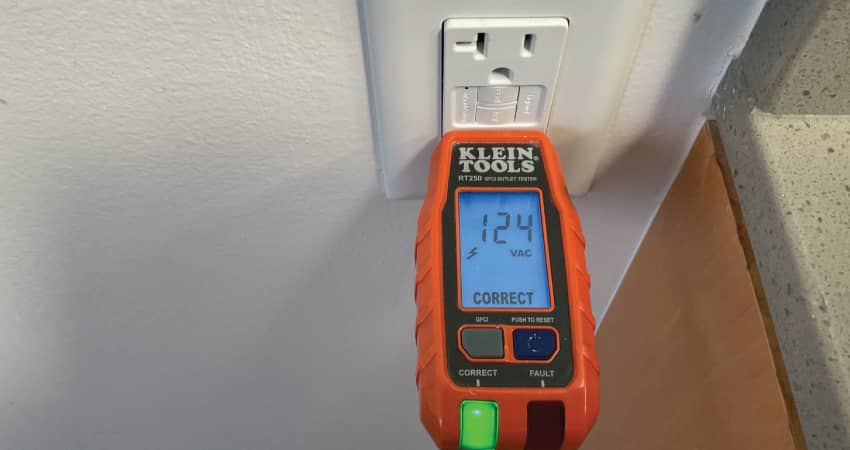
It’s a typical Tempe afternoon. The AC is running, everyone is in the kitchen preparing dinner, and suddenly the GFCI in the backsplash snaps off again. You push reset. It clicks back on. Minutes later, it trips again.
Moments like this are frustrating, especially when there’s no obvious reason for the outage. A GFCI is supposed to protect your home from electrical hazards, not mess up your dinner plans. But, if it keeps tripping, there’s a problem, either with the outlet, the circuit, or something you’re plugging in.
In this guide, we’ll explain the most common causes, how to diagnose them, and how you can restore safety and reliability to your electrical system. You know what’s happening in your home without having to guess or worry, and that’s part of the service approach that makes George Brazil different: clear explanations, no surprises, and work done the right way.
How GFCIs Work and Why They Trip
A Ground Fault Circuit Interrupter (GFCI) monitors the flow of electricity. If electricity is leaking out of the circuit, it trips to prevent shocks. When it’s working properly, a GFCI only trips to protect you. Here’s an example, you’re working outside trimming some bushes, and you accidentaly clip the extension cord you’re using. To prevent you from a shock, the GFCI recognizes the problem and trips to shut off power, protecting you and your device from harm.
This is normal behavior and shows your system is working the way it’s supposed to. However, when your GFCI keep tripping repeatedly, the device is either detecting a real problem or failing.
Common Reasons GFCIs Repeatedly Trip
Before you start troubleshooting an electrical outlet, you need to know some of the most common reasons GFCIs trip repeatedly:
- Moisture inside the outlet box
- Faulty appliances or damaged cords
- Overloaded circuits
- A failing GFCI
- Loose wiring connections
- Outdoor or garage outlets exposed to heat and humidity
Even a slight power imbalance can cause the GFCI to trip, so when they happen regularly, you need to take it seriously.
When The GFCI Itself Is Failing
GFCIs wear out over time just like any other electrical component. Warning signs of a failing outlet include:
- The reset button won’t stay engaged
- The test button fails to trip the outlet
- The device feels warm
- It trips even when nothing is plugged in
If any of these symptoms appear, replacement is usually the safest and fastest solution.
Tracing Problems Back to the Breaker Box
Tempe homes can use a lot of power. Our extreme heat means AC or fans are running more. Some homes have EV chargers or pool and spa equipment. Refrigerators and freezers may have to work harder. Seasonal demand puts more stress on breakers, especially older ones. Over time, this stress can lead to overheating, fatigue, and eventually failure.
A GFCI problem may start where the power originates: the breaker panel. So, let’s take a look inside.
What Is a Breaker Box?
A breaker box is the central hub that distributes electricity throughout your home. Inside, each circuit is managed by an individual breaker that monitors overloads and short circuits. In the Tempe area, you can find a wide range of panels, from older fuse boxes to modern breaker systems with GFCI and Arc Fault Circuit Interrupter (AFCI) protection built in.
How To Tell If a Breaker Is Bad?
A failing breaker can mimic GFCI issues. You may notice:
- A breaker that feels warm or hot
- Buzzing or faint crackling from the panel
- A breaker that trips instantly or refuses to reset
- Discoloration or damage
If you’re trying to figure out how to tell if a circuit breaker is bad, the best way is to compare it to how it operates under normal conditions. When things are going smoothly, everything just works. If light use continues to trip it, the breaker itself may be worn out or failing.
You might also see some subtle signs that are easy to miss, like lights flickering in more than one room or a buzzing or vibration when the AC kicks on. And, when both a GFCI and a breaker trip, there’s likely something bigger going on.
So, how do you know if a breaker is bad or whether it’s the GFCI itself or something else? You’ll want to get a professional evaluation, but here are some of the common signs and what they might mean.
| Problem Type | Signs To Look For | What It Means |
| Failing GFCI | Reset won’t hold, trips with nothing plugged in | The GFCI device is worn out or defective |
| Bad Breaker | Heat, buzzing, instant trips, weak reset lever | The breaker mechanism is failing internally |
| Circuit Overload | Trips when multiple appliances run simultaneously | The circuit cannot safely support the load |
| Wiring Fault | Instant tripping, burning smell, intermittent power | Damaged insulation or loose wiring behind walls |
How to Fix an Electrical Outlet That Stopped Working
When troubleshooting an electrical outlet with GFCI, start with these steps:
- Try resetting the GFCI by pushing the button on the outlet until you here a click.
- Test the outlet with a lamp or small appliance. If plugging something in previously caused the trip, try plugging in a different device.
- Confirm whether the breaker has tripped.
- Check other GFCI outlets nearby that may be feeding into this one and also need resetting.
If the outlet still doesn’t respond, the internal contacts may have failed or the wiring behind it may be loose. GFCIs may also be protecting other outlets on the same circuit, so you may need to disconnect devices from any other outlets on the same circuit to test.
If you can’t push the button in for the reset, the GFCI outlet itself may be the culprit and need replacing.
Many older Tempe homes have outlets that have begun to show their age. Terminals may have loosened over time, connections can work themselves free, and repeated heat cycles can wear things out over time. When the contact points wear down, plugs may not connect properly or create an unstable flow of electricity. This can lead to intermittent power, sparking, or repeated trips.
So, in trying to figure out how to fix an electrical outlet that stopped working, you’ll want to gently wiggle a device you’re plugging in. If it losses power or it’s loose, the contacts may be worn and need a replacement. Any popping or buzzing from the outlet generally means that some resistance is going on or internal components are dying.
If any of these symptoms appear, the outlet should be inspected or replaced by a licensed electrician, as continuing to use a failing part can worsen wiring issues throughout the circuit.
If you see sparking, pay particular attention.
Why Does an Electrical Outlet Spark When Plugging In?
A very quick, minor flash can sometimes occur because of the fast transfer of electricity. Called inrush current, it’s similar to how static electricity can happen when you reach out to something. When the metal plug goes into the outlet, the electricity can jump out to connect with the metal plug more quickly than you can get it into the socket.
However, it can also be a warning sign of a bigger issue. You might have worn outlets, overloaded circuits, moisture in the outlet, or something else wrong with your wiring.
In general, if you see a tiny spark, try plugging in a different device that switched off to see if it happens again. If you see a large spark or it happens frequently, or you see smoke, burning plastic, or feel heat, shut things down and call for a licensed electrician to come and take a look.
Frequent GFCI Trips Might Mean Hidden Wiring Problems
Not all electrical problems are visible. Some of the most dangerous issues occur behind the walls.
Ground Faults Inside Walls
Damaged insulation, aging wires, even ants or rodents in the walls can cause ground faults that trip GFCIs repeatedly. If a GFCI won’t reset or instantly trips, your internal wiring should be checked.
Shared Neutral Issues on Older Circuits
Some older Arizona homes have multi-wire branch circuits that share a neutral. If the wiring is misconfigured or damaged, it can confuse GFCIs, causing nuisance trips.
Aluminum Wiring Concerns in Some Arizona Neighborhoods
Aluminum wiring expands and contracts more than copper, loosening connections over time. This can lead to heat buildup, arcing, or GFCI trips that seem random.
Appliance Issues That Cause GFCIs to Trip
In many cases, it’s the appliance you’re plugging in that’s the issue. The GFCI tripping means it’s doing its job to protect you.
Devices such as space heaters, air fryers, or garage refrigerators draw significant current. A faulty device can cause a trip. Sometimes the load is more than what the circuit is designed to handle.
Appliances With Heating Elements
Coffee makers, toasters, and waffle irons naturally leak small amounts of current as their heating elements age. A GFCI might detect that leakage and trip as a safety measure.
Outdoor Equipment and Moisture
Pressure washers, extension cords, and landscape lighting may get water inside them. GFCIs are designed to respond immediately when moisture creates a path to ground.
Preventing Future GFCI Problems in Tempe Homes
A few upgrades and preventative steps can significantly reduce GFCI issues. Tempe homes, especially those built in the 1980s through the early 2000s, should get an inspection to check on devices and electrical load management.
Replace Outdated Outlets and GFCIs
GFCIs have a lifespan of about seven to 10 years, and older models are far more prone to nuisance tripping. Newer UL-listed devices include better moisture resistance, improved internal sensors, and faster response times that increase both safety and reliability.
For Tempe homeowners, updating outlets is especially important because dust, heat, and occasional monsoon humidity all accelerate wear on older GFCIs. A modern outlet reduces unexpected trips and brings your home up to current electrical safety standards.
Improve Circuit Distribution for High-Load Appliances
Kitchens, garages, and outdoor living spaces often share circuits that were not designed for today’s appliance usage patterns. So, a GFCI outlet might not be able to handle the load across the circuit without tripping.
Adding or reconfiguring circuits can help:
- Support additional appliances
- Reduce voltage fluctuations that cause GFCIs and breakers to trip
- Balance electrical loads more evenly throughout your home
Distributing power correctly ensures your GFCIs are reacting to real hazards rather than just an overload from everyday use.
Schedule an Electrical Safety Inspection
Even small electrical issues can escalate if you don’t deal with them. A routine safety inspection can identify:
- Loose wiring connections
- Overheated breakers
- Failing outlets or deteriorating GFCIs
- Early signs of insulation breakdown
- Circuits under excessive load
A licensed technician will check your entire system, not just the outlet that’s tripping. You deserve a home that is safe and worry-free. Having an expert who explains the findings clearly brings peace of mind you can’t get from guesswork.
When To Call a Licensed Electrician
If you see any of the warning signs or you have concerns, call a licensed electrician to evaluate your system right away. The technicians at George Brazil Plumbing & Electrical are trained to diagnose electrical issues thoroughly, explain your options clearly, and repair the problem safely and permanently.
You can call us 24/7, and you’ll get a real person on the phone who can set up a service call. In most cases, we can get to your home the same day, and with fully-stocked trucks, we can handle most jobs quickly and efficiently.
FAQs
Why does my GFCI keep tripping even after I reset it?
The outlet is likely detecting a real ground fault, a failing device, or moisture. Repeated tripping means something deeper is wrong.
How do you know if a breaker is bad? How to tell if a circuit breaker is bad?
A bad breaker often won’t stay reset, may feel warm, or may buzz. Frequent tripping under low load is also how to know if a breaker is bad.
What is a breaker box and why is it important?
The breaker box distributes electricity throughout your home. Any issue in the panel can affect outlets, GFCIs, and appliances.
Why does an electrical outlet spark when plugging in a device?
A small spark can be normal, but loud or bright sparks indicate loose connections or internal outlet damage.
If your GFCI keeps tripping, your outlets are acting unpredictably, or you’re noticing breaker issues, you don’t have to figure it out alone. At George Brazil Plumbing and Electrical, we’ve been serving homeowners in the Phoenix metro area for more than 70 years. Our friendly technicians will take the time to diagnose the problem, explain the causes and your options, and provide you with transparent, upfront pricing.