
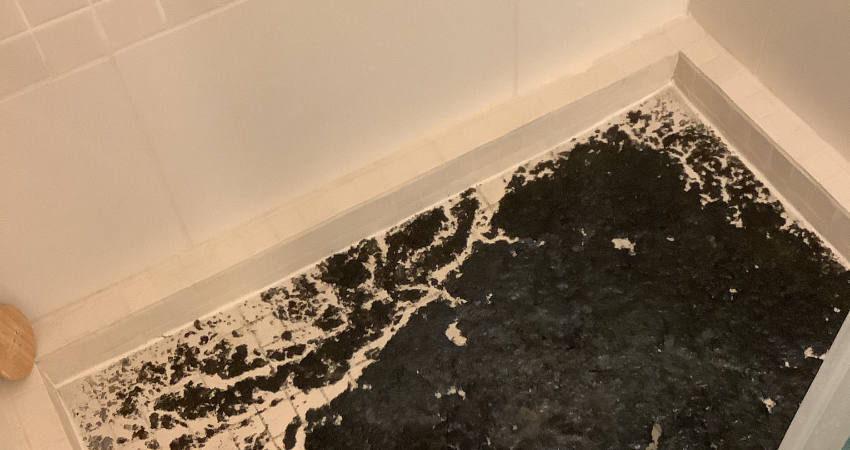
You walk into your Tempe home, and it hits you. A strong, unpleasant odor that smells like rotting garbage. Maybe it’s coming from a bathroom, or maybe the entire house smells bad. If you’re smelling that, it’s usually a sign that something is wrong inside your plumbing system. The key is figuring out where it’s coming from and whether it’s something simple or a sign of a larger issue.
What That Sewer Smell Means
Sewer gas contains hydrogen sulfide, methane, and ammonia. It smells bad, and there are also health concerns. Even at lower levels, sewer gas can affect indoor comfort. Sewer gas can also impact air quality, which is linked to respiratory irritation, headaches, and fatigue.
Plumbing systems are designed to vent these gases outside and stop them from entering your home. So, if you’re smelling it, your system isn’t working properly.
Sewer Smells Are Common in Tempe Homes
Tempe homes tend to experience sewer smells in the house more frequently due to a combination of climate and infrastructure factors.
Extreme Heat Dries Out Plumbing Traps Faster
Every drain in your home has a P-trap, which holds a small amount of water that stops the sewer gas from backing up. In Tempe’s extreme heat, that water can evaporate quickly, especially in guest bathrooms, laundry rooms, and garage floor drains that don’t get used regularly. Once the trap dries out, there is nothing stopping a sewer smell in the bathroom or elsewhere.
Monsoon Season Can Push Sewer Gas Back into Homes
During monsoon season, heavy rain can increase pressure inside the municipal sewer system. That pressure can push gases back through pipes and into your home.
Hard Water Speeds Up Buildup Inside Pipes
Tempe’s hard water contains a high mineral content, which can build up along the inside of pipes over time. That buildup traps organic material and creates a surface where bacteria can grow, adding to the sewer smell in your house that doesn’t go away with simple cleaning.
Common Causes of Sewer Smell in a House
Once you notice a sewer smell in your house, it’s typically one of these issues:
- Dry P-trap: Water in the trap evaporates, allowing sewer gas to pass through the drain
- Drain buildup: Organic material, grease, and bacteria create lingering odors inside pipes
- Cracked or damaged sewer line: Gas escapes into your yard or directly into the home
- Loose or failed toilet seal: A worn wax ring allows sewer gas to leak from the base of the toilet
- Blocked plumbing vent: Prevents proper airflow, forcing sewer gas back through drains
- Main sewer line issue: Often causes stronger smells and may affect multiple fixtures at once
Sewer Smell in Bathroom
Bathrooms are the most common place for sewer odors to show up, and there are a few reasons why. Toilets rely on a tight seal at their base to prevent sewer gas from escaping. If the wax ring deteriorates or the toilet shifts slightly due to slab movement, that seal can break. Even a small gap can allow noticeable odors into the room.
Soap scum, hair, and organic debris can also tend to accumulate inside bathroom drains. In warm conditions, that buildup can produce a strong odor that smells similar to sewage, even if there is no major blockage yet.
How to Identify Where the Smell Is Coming From
Before calling for service, it helps to narrow down where the issue might be coming from. A few patterns can point you in the right direction.
- Smell from one fixture only: Likely a dry trap or drain buildup
- Smell from multiple drains: May indicate a main sewer line problem
- Smell after heavy rain: Often tied to pressure changes or venting issues
- Smell that comes and goes: Could be trap evaporation or a partial blockage
- Stronger smell outside the home: May suggest a damaged sewer line or yard issue
When It’s Safe to Try a Simple Fix
If you catch them early, the sewer smell in your house may be a simple fix.
Try running water in the drains. Sometimes, this is enough to fill up a dried-out P-trap and stop the gases from entering your home. For drains with buildup, an enzyme-based cleaner can help break down organic material without damaging pipes but avoid using chemical cleaners, which can damage your pipes over time. It’s also worth checking around toilets and sinks for visible leaks or loose fittings.
If the smell disappears and stays gone, the issue was likely minor. If it comes back, there is usually a deeper problem that needs attention.
When to Call a Drain Specialist
If a smell keeps returning after cleaning, if multiple drains are affected, or if you notice gurgling sounds in your pipes, the problem may be deeper in your main sewer line. Sewage backups or water that backs up in a tub are also strong indicators that professional service is needed.
With decades of experience serving Tempe and the greater Phoenix area, George Brazil Plumbing & Electrical understands how desert conditions affect plumbing systems and how to pinpoint the source of sewer odors quickly. Our highly trained technicians focus on identifying the root cause, so you fix the problem and not just mask the odor.
Schedule service with George Brazil to diagnose and eliminate the source of sewer smells in your house before it turns into a larger plumbing problem.