
Walk into almost any Scottsdale home, and you’ll find power strips behind televisions, under desks, and tucked beside entertainment centers. They help you plug more things into your outlets, but most don’t provide surge protection. Unfortunately, that assumption can become expensive if power surges or a lightning strike hits. So, understanding the difference between surge protectors and power strips can help prevent expensive repairs and replacements.
You can understand why there’s often confusion. They can look nearly identical. Multiple outlets. Power switch, Cords that plug into the wall. There might not be an obvious until you look more closely. Sometimes, the packaging and marketing can make it tough to tell the difference, too.
The Difference Between Surge Protectors and Power Strips
A power strip serves a simple purpose, allowing multiple devices to share a single electrical outlet. However, a standard power strip is not designed to deal with voltage fluctuations that can damage your equipment. If a power surge travels through your home’s electrical system, it typically passes that surge directly to anything plugged into it.
A surge protector includes internal components specifically designed to help protect connected devices. When voltage spikes occur, a surge protector redirects excess electrical energy away from connected electronics. This helps reduce the likelihood that the surge will affect your appliances, such as computers, televisions, networking equipment, and other electronics.
Are All Power Strips Surge Protectors?
So, are all power strips surge protectors? No. Most power strips do not provide any surge protection at all.
If you’re trying to figure out whether a device offers surge protection, look for a joule rating, which measures the amount of energy the device can absorb. The higher the number, the more protection it provides. Devices should also include surge-protection specs, have status lights, and be UL certified.
If these details are missing, the product may simply be a power strip rather than a true surge protector.
Where Do Electrical Surges Actually Come From?
When you think of power surges, you typically think of lightning strikes. Lightning can certainly cause power surges, but there are other conditions that do, too.
Lightning and Monsoon Storms
Lightning activity can create powerful voltage spikes that travel through electrical systems, especially during the monsoon season.
Importantly, lightning does not need to strike your home directly to cause damage. A nearby lightning strike can send a surge through utility lines and into connected equipment. Even lightning activity near a building can create electrical surges that can damage electronics.
Utility Switching and Grid Events
Power companies routinely perform switching operations and adjustments to maintain reliable service. These actions can sometimes create temporary voltage fluctuations that affect homes throughout the area.
Large Appliances Cycling On and Off
Large appliances such as air conditioners, refrigerators, pool equipment, and EV chargers can create small internal surges when motors start and stop. While these events may seem minor, these surges contribute to wear.
What Devices Are Most Often at Risk?
A single surge event can affect multiple systems simultaneously.
| Device Category | Common Examples | Potential Impact |
| COMPUTER EQUIPMENT | Computers, monitors, routers, modems | Data loss, hardware failure, and replacement costs |
| Entertainment Systems | TVs, gaming consoles, sound systems, streaming devices | Damaged electronics and interrupted service |
| Smart Home Technology | Security systems, smart thermostats, Wi-Fi devices, automation hubs | System failures and connectivity issues |
| Major Appliances | Refrigerators, HVAC systems, garage door openers, pool controls | Expensive repairs and reduced equipment lifespan |
As you connect more devices, the financial implication of damage from power surges goes up.
Whole-Home Surge Protection Is Becoming More Popular
Many homeowners discover that individual surge protectors only solve part of the problem.
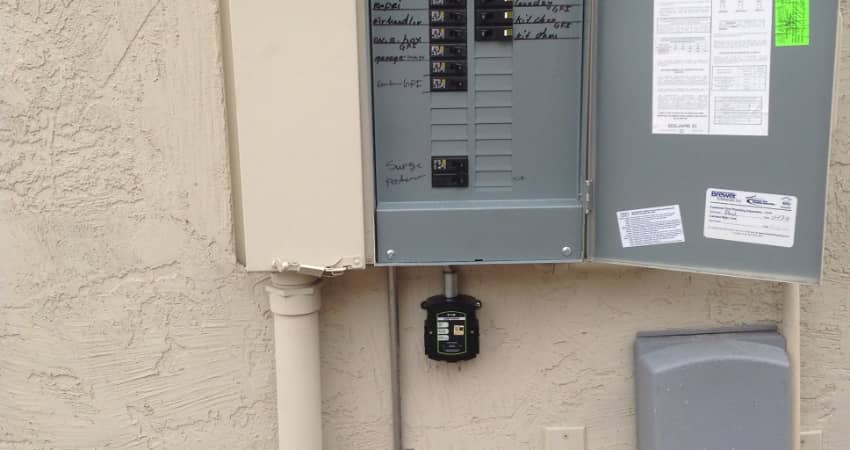
A surge protector can only protect the devices plugged directly into it. It won’t protect hardwired systems such as air conditioners, electrical panels, pool equipment, or many smart-home components. But, whole-home surge protectors installed at your electrical panel can provide much broader protection throughout your home.
Rather than protecting a single device, whole-home surge protection helps reduce the damage from power spikes or dips for your appliances, electronics, and electrical system.
If you’re unsure whether your home has adequate surge protection, George Brazil Plumbing & Electrical can evaluate your electrical system and recommend whole-home surge protection solutions designed to help safeguard your electronics, appliances, and investments.
Contact the experts at George Brazil for all your Scottsdale plumbing and electrical needs.