
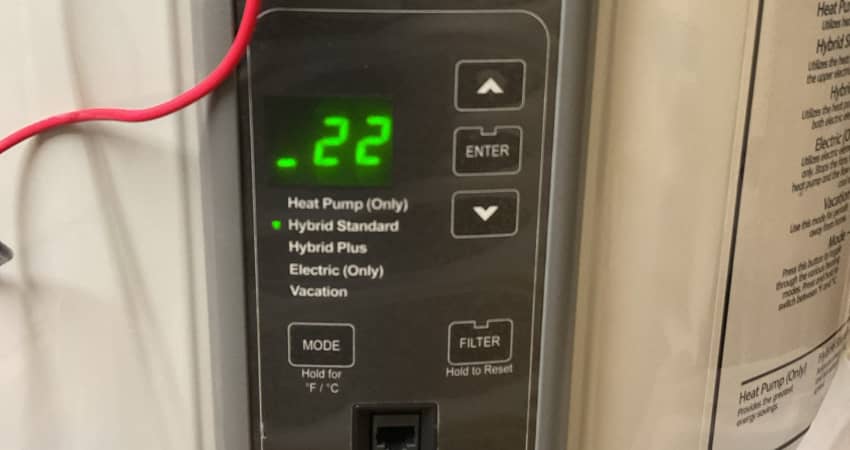
If you’re thinking about water heater installation in Ahwatukee, AZ, the decision is no longer simply which tank size to buy. Conventional electric models remain a practical choice, but heat pump systems have become increasingly attractive because they can use much less electricity. The right water heater installation depends on your household’s hot-water demand, available space, electrical capacity, and long-term energy priorities.
If you’re comparing water heater installations, the most important step is matching the equipment to your home’s water use. That means looking beyond purchase price and considering efficiency, sizing, installation requirements, expected lifespan, and any available rebates or incentives.
Electric vs. Heat Pump Water Heaters: What Is the Difference?
A conventional electric water heater uses electric-resistance heating elements that are inside the tank. When the thermostat calls for heat, electricity flows through those elements, which warm the surrounding water. The design is simple, familiar, and often straightforward to replace when an existing electric tank fails.
A heat pump water heater installation takes a different approach.
What is a heat pump water heater? Think of it as a refrigerator working in reverse. Instead of removing heat from an enclosed space and releasing it into the room, the unit pulls heat from the surrounding air and transfers that heat into the water stored in the tank.
Most residential heat pump models still have a tank, so the difference is not tank versus tankless, but how the water gets heated. Because heat pump models move existing heat rather than generating all of it through electric resistance, they can use substantially less electricity.
Are Heat Pump Water Heaters Worth It in Arizona?
Water heating is a meaningful part of household energy use. The U.S. Department of Energy says it accounts for about 17% of average household energy consumption. DOE also notes that heat pump water heaters can be two to three times more efficient than conventional electric-resistance models.
That efficiency advantage can be especially relevant in Arizona. Heat pump systems draw warmth from the surrounding air, and Ahwatukee garages and utility areas can often provide favorable operating conditions if they have enough space and airflow.
How much can you save with a heat pump water heater? ENERGY STAR reports that certified heat pump water heaters use about 70% less energy than standard electric models. Under ENERGY STAR assumptions, a household of four can save about $550 per year, with lifetime savings exceeding $5,600.
Actual savings vary with electricity rates, hot-water usage, unit efficiency, installation conditions, and the equipment being replaced. Still, the potential operating-cost reduction is a major reason homeowners are considering heat pump systems.
A heat pump model may be a strong fit if:
- The current water heater is electric.
- The garage or utility area has adequate airflow.
- The household uses a moderate to large amount of hot water.
- Energy efficiency is a priority.
- The homeowner expects to stay in the home long enough to benefit from lower energy use.
A conventional electric tank may still make more sense in a tight closet, in a space without adequate airflow, or when the homeowner wants the simplest possible like-for-like replacement.
The best choice for water heater installation depends on your house. Installing the most efficient model available won’t help if the location prevents the equipment from operating as designed.
How Much Does Electric Water Heater Replacement Cost?
It’s typically your first thought when your water heater is acting up: how much is this going to cost me?
Cost can vary quite a bit as the final price depends on tank capacity, equipment efficiency, existing plumbing and electrical connections, access to the installation area, and whether modifications are required. You can expect pay between $600 and $4,000 for an electric water heater replacement cost, with installation accounting for about half of the bill.
Replacing one conventional electric tank with a similar model in the same location is usually less complex than switching technologies. A conversion to a heat pump unit may involve condensate drainage, electrical adjustments, additional clearance, or changes to the installation area.
Permits, inspections, and code requirements will also influence your gas or electric water heater replacement cost.
What Affects Heat Pump Water Heater Installation in Ahwatukee, AZ?
Proper heat pump water heater installation depends heavily on location. These units need enough surrounding air to draw in heat efficiently. They also need manufacturer-specified clearances and a way to manage condensate, since moisture from the air can collect during operation.
Other considerations include:
- Electrical circuit requirements
- Plumbing connections
- Tank height
- Access for service
- Drainage
- Fan and compressor noise
- Available room volume
- Electrical panel capacity
A garage can be a practical location in many Ahwatukee homes because it often provides more air volume than a small indoor closet. The unit may also slightly cool and dehumidify the surrounding area while operating. However, every installation should be evaluated individually. A garage with limited clearance, poor drainage options, or electrical constraints may still require modifications.
What Size Water Heater Do I Need?
Figuring out exactly what size water heater you need is crucial, but tank capacity by itself does not give the full answer. ENERGY STAR recommends looking at first-hour rating (FHR) when sizing a storage water heater. This estimates how much hot water the unit can provide during a high-demand hour, combining stored water with the heater’s recovery capability.
Two tanks with the same gallon capacity can perform differently during periods of heavy use.
SIZING ConsiderationS | Why It Matters |
|---|---|
Number of occupants | Influences daily hot-water demand |
Morning and evening use | Determines peak demand periods |
Back-to-back showers | Can quickly draw down stored hot water |
Large tubs | May require substantial hot water at once |
Laundry and dishwashing | Add to simultaneous demand |
Recovery performance | Determines how quickly hot water is replenished |
A household should be sized for real usage patterns rather than choosing the largest tank that fits the space. A family that takes several showers within a short period, for example, may need greater first-hour capacity than a household with the same number of people that spreads its hot-water use throughout the day.
How Long Do Electric Water Heaters Last?
If you are wondering how long do electric water heaters last, many tank-style units are replaced around the 10-year mark, although actual service life varies.
Water quality, mineral buildup, maintenance, anode rod condition, household demand, and tank construction all influence longevity. In the Phoenix area, we have extremely hard water, which can contribute to scale and sediment accumulation (especially if you’re not having your system descaled on a regular basis).
A 10-year-old tank unit that still performs well and shows no signs of leakage may continue operating. However, age becomes more important when combined with corrosion, declining hot-water capacity, frequent repairs, or unexplained moisture around the tank.
Signs It May Be Time to Replace Your Water Heater
Several warning signs can indicate that a water heater is approaching the end of its useful life.
Watch for:
- Water around the base of the tank
- Rust or visible corrosion
- Hot water running out sooner than before
- Water that never reaches the desired temperature
- Popping, rumbling, or crackling sounds
- Frequent thermostat or heating-element repairs
- Repeated breaker trips
- Rising energy use without a clear explanation
Some of these issues are repairable. A bad heating element or thermostat does not automatically mean the tank needs to be replaced. A leaking tank is different. If water is escaping through the tank body because of corrosion or structural deterioration, replacement is generally necessary.
One minor repair on a relatively new system is very different from repeated failures on a tank that is already more than a decade old.
What Happens During Water Heater Installation?
A professional water heater installation starts with evaluating the existing system and determining what the household actually needs.
The typical process includes:
- Inspecting the current water heater and connections.
- Reviewing household hot-water demand.
- Selecting the appropriate size and technology.
- Shutting off power and water.
- Draining and removing the old unit.
- Making required plumbing or electrical changes.
- Installing and connecting the replacement.
- Filling the tank and checking for leaks.
- Restoring power and verifying operation.
- Reviewing controls and maintenance requirements with the homeowner.
A heat pump conversion may involve extra steps. The installer needs to verify airflow, condensate drainage, equipment clearances, and electrical requirements.
Rebates and Incentives Can Affect the Decision
Available incentives can influence the total cost of a heat pump upgrade, but programs change over time.
SRP
SRP currently offers a residential rebate for qualifying heat pump water heaters. Equipment efficiency, contractor qualifications, deadlines, and application requirements all matter, so customers should confirm current program rules before installation.
APS
APS does not currently offer the former residential heat pump water heater rebate in 2026. Homeowners served by APS should verify current efficiency programs before purchasing equipment because utility incentives can change.
Efficiency Arizona HEAR
Income-qualified households may also be eligible for assistance through Arizona’s High-Efficiency Electric Home Rebate (HEAR) program. Eligibility depends on household income and program requirements, and available rebates may apply to qualifying electrification improvements.
Electric vs. Heat Pump Water Heater Comparison
The main differences between what is a heat pump water heater and a traditional electric water heater are easier to see by putting them side-by-side.
Factor | Conventional Electric | Heat Pump |
|---|---|---|
Upfront complexity | Usually lower | Usually higher |
Energy use | Higher | Significantly lower |
Installation space | More flexible | Needs adequate airflow |
Operating noise | Minimal | Fan and compressor |
Room impact | Minimal | Can cool and dehumidify |
Condensate drain | Usually not needed | Typically required |
Arizona climate fit | Good | Very food |
Best use case | Simple replacement | Efficiency-focused upgrade |
When you’re thinking about whether heat pump water heaters are worth it, the answer often comes down to whether the installation location supports the technology and whether lower energy use justifies the added complexity.
Choosing the Right Water Heater for Your Ahwatukee Home
A good replacement decision starts with the home, not the equipment brochure. Before choosing a system, consider your household size, peak hot-water demand, first-hour rating, existing electrical service, installation space, current fuel source, expected service life, and available incentives.
If you’re determining the proper capacity, a professional plumber and installer will calculate demand based on actual usage instead of relying on a generic gallon recommendation. When comparing the electric water heater replacement cost with a heat pump alternative, make sure expected operating costs are part of that comparison as well.
The same principle applies when upgrading to heat pump technology. A system should be selected only after confirming that the home has the airflow, drainage, electrical capacity, and physical space the unit requires.
FAQs — Frequently Asked Questions About Water Heater Installation
Is a heat pump water heater good for Arizona?
Yes. Arizona’s warm climate can provide favorable operating conditions, especially when the unit is installed in a garage or another location with enough airflow.
Can I replace a standard electric water heater with a heat pump model?
Yes, in most cases, but the installation space, electrical circuit, condensate drainage, and equipment clearances should be checked before making the switch.
What is a heat pump water heater compared with a regular electric model?
It is typically a tank-style heater that moves heat from surrounding air into the water instead of relying mainly on electric-resistance elements.
Should I replace an electric water heater after 10 years?
Not automatically. Many tanks reach that age and continue operating, but an older unit should be watched more closely for leakage, corrosion, declining hot-water capacity, or repeated repairs.
Do heat pump water heaters need more space?
Usually, yes. They require enough surrounding air for efficient operation as well as proper clearances and condensate drainage.
George Brazil Plumbing & Electrical will evaluate your Ahwatukee home, compare conventional electric and heat pump water heater options, and install the system that best matches your household’s hot-water needs. Get in touch with us today to schedule an inspection or installation.