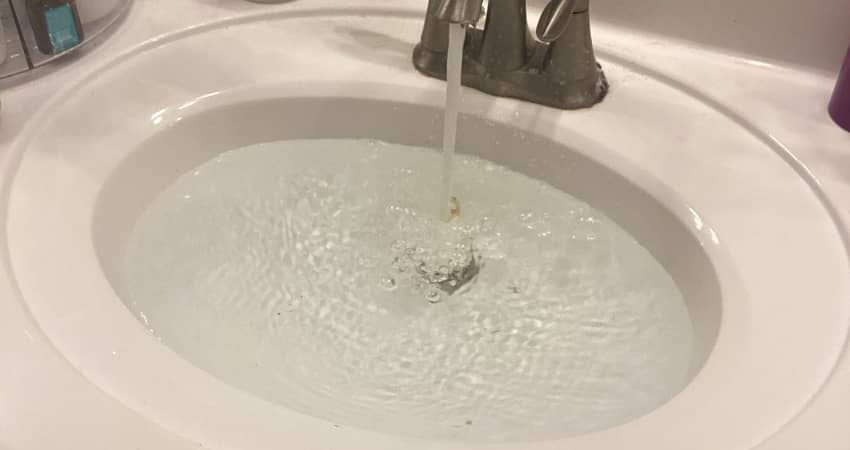
Clogged drain? There are a few drain cleaning methods you can try that might solve the problem, but you want to be careful. Some DIY solutions can damage your pipes or create bigger problems within your sewer system.
It’s especially important to be careful in the Peoria, AZ area. We have a lot of older homes, even some dating back to the late 1800s and early 1900s. There’s still original clay and cast-iron pipes in the ground, and age can take a toll. In older Peoria neighborhoods, high heat and soil that moves can cause pipes to crack or shift. However, you can get clogs even in brand new homes. Soap scum, mineral buildup from hard water, and hair can cause clogs and slow drains.
It can be tempting to use a plunger aggressively or use a chemical cleaner, but this may not be safe.
What Actually Works for Minor Drain Clogs
Not all drain clogs are the same. Hair, soap scum, grease, mineral buildup, food waste, and tree roots all affect plumbing differently. Some DIY methods only create temporary relief by opening a small path through the blockage, but never fully remove it. Others simply push the clog farther down the pipe, where it becomes harder to reach later.
Here are a few things that do work and generally won’t damage your pipes.
Hot Water for Soap and Grease Buildup
Hot water can sometimes help loosen soap residue or light grease buildup inside drains. Boiling water can clear a clogged drain and improve slow drainage. However, the boiling water for clogged drain method may not be safe for every plumbing system. Older systems that use PVC pipes may hold up well to boiling water, especially if you’ve done it several times over the years.
Hot water from the tap is safer.
Plungers for Simple Drain Blockages
Plungers work by creating suction that loosens shallow clogs near the drain opening. They are often effective for toilets, sinks, and some shower drain blockages. When you’re plunging, though, getting a proper seal and pressure matter more than force. If you’re too aggressive, you can sometimes loosen old fittings or create leaks in aging plumbing systems.
For drains that do not currently have standing water, pour some water into the drain until it starts to fill first before plunging to get a better seal.
Drain Snakes and Hair Removal Tools
Small hand snakes and plastic hair removal tools often work well for bathroom sink and shower clogs caused by hair buildup. Sometimes, this is the fastest and easiest way to get your drains working again.
Enzyme-Based Drain Cleaners
Enzyme drain cleaners work differently than chemical cleaners. They use bacteria or enzymes to slowly break down organic material inside pipes. These products usually take longer to work, but they are often safer for older plumbing systems and repeated use.
DIY Drain Methods That Often Make Plumbing Problems Worse
You might be surprised to know that some DIY methods you see recommended might make your problems worse.
Chemical Drain Cleaners
Chemical drain cleaners may temporarily burn through part of a clog, but they often fail to fully remove hair, grease, or heavy buildup. In some cases, the chemicals harden grease farther down the line and create an even tougher blockage. Google Drano made clog worse and you’ll see more than a few horror stories.
Not only can chemical cleaners damage pipes and seals, but if you wind up with standing water mixed with chemical cleaners, it can irritate your skin or eyes. And whatever you do, don’t mix household cleaners such as bleach, which can result in chlorine gas.
Using Coat Hangers or Sharp Objects
We’ve seen homeowners who try to get creative and break up clogs using wire hangers, screwdrivers, or other sharp tools. We’ve also seen how these objects scratch pipes, damage drain openings, or push debris deeper into the plumbing system. Don’t do this. You can turn a small clog into an expensive repair.
When You Can’t Clear the Clog or They Keep Coming Back
If the DIY fixes aren’t working or clogs keep recurring, there may be a deeper plumbing issue rather than a simple blockage near the drain opening.
Repeated backups may indicate:
- Main sewer line restrictions
- Tree root intrusion
- Hard water buildup
- Pipe damage
If you’re experiencing any of these symptoms, you’ll want to get a professional plumber to take a look:
- Multiple drains are slow
- Toilets gurgle when sinks drain
- Water backs up into tubs or showers
- Sewage odors are present
- Clogs return quickly
- DIY methods stop working
- Water pools outside near sewer lines
These symptoms may point to a sewer line blockage or a damaged underground pipe.
What Professional Plumbers Can Do That DIY Methods Cannot
Professional plumbers can diagnose drain problems much more accurately than trial-and-error DIY methods. Depending on the issue, professional service might include mechanical drain cleaning or snaking, hydro jetting, and sewer camera inspection.
For professional help with stubborn drain clogs or recurring plumbing backups, contact George Brazil Plumbing & Electrical. We offer same-day service and transparent pricing for expert drain cleaning and sewer inspection services in Peoria.