
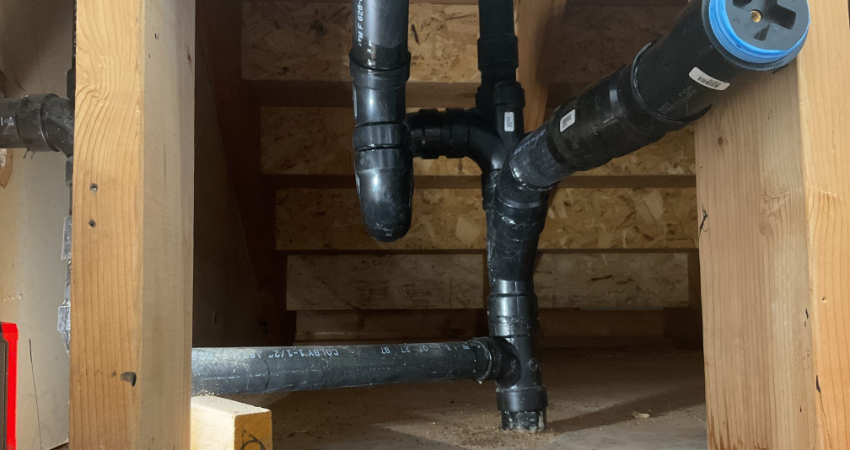
Mesa is one of the largest cities in Arizona and stretches across a broad section of the East Valley, combining long-established neighborhoods with rapidly growing master-planned communities and newer development farther east. The housing here ranges from mid-century homes near the city’s core to newer subdivisions in East Mesa, which means plumbing systems can vary widely in age, materials, and condition. The area’s desert climate, hard water, expansive growth, and mix of older and newer infrastructure all help shape the sewer and drain issues local homeowners may encounter.
About half of Mesa’s housing was built before 1989, with some homes dating back to the 1940s. The East Valley has generally newer housing, although many homes there are still more than two decades old. Here’s the average year built for newer homes in Mesa zip codes:
- 85208: median year built 1990
- 85207: median year built 2001
- 85209: median year built 2001
- 85212: median year built 2011
An older property may have experienced decades of soil movement, root growth, previous repairs, or pipe deterioration, while newer systems can still develop installation, settlement, or blockage problems. Properly installed and maintained sewer lines can last 50 to 100 years, but problems can arise even in newer systems. If you suspect a problem, contact the sewer line repair experts at George Brazil Plumbing & Electrical for an evaluation.
Is It a Clogged Drain or a Main Sewer Problem?
When there’s a clogged drain, it may be limited to a single drain…or it may be an indication of a bigger problem. Here’s a quick guide to use as a starting point.
| What’s Happening? | Where the Problem May Be |
| One sink or tub is slow | Fixture or branch drain |
| One area of the house is affected | Shared branch piping |
| Several areas drain poorly | Main sewer becomes more likely |
| Using one fixture affects another | Shared piping farther downstream |
| Wastewater appears at a low drain | Possible main sewer obstruction |
You can’t really diagnose the specific problem from a list like this, but it can help you describe the problem for your plumber. A plumber for sewer backup service can determine whether the problem is a removable obstruction or evidence of something more significant inside the line.
Find out more about the type of sewer line problems you should watch for in Maricopa County.
One important note here: If sewage is actively entering the house, minimize water use and keep people and pets away from contaminated areas. Act fast here, because the steps you take in the first hour matter as much as the sewer line repair Phoenix plumbers perform later.
What Happens When a Main Sewer Line Is Cleared?
The first objective with an obstructed sewer is typically to restore flow. A plumber may reach the line through an access point and use equipment suited to the type and location of the blockage. Once material has been removed, wastewater may begin flowing normally again. But successful clearing doesn’t always explain why the obstruction developed.
Imagine that roots entered through a damaged joint and waste was trapped, building up and causing a clog. Removing the roots and debris can restore drainage, but the opening that allowed root intrusion will still be there. Similarly, clearing accumulated material from a low section of pipe doesn’t correct the slope that caused material to collect there.
That creates two separate questions:
- Can the obstruction be cleared?
- Is there an underlying condition that could cause another one?
The second question becomes increasingly important when the same sewer repeatedly needs service. You may need sewer line repair in the Phoenix area or sewer line replacement.
What Does It Cost to Clear a Main Sewer Line in Mesa?
The City of Mesa says the typical cost of hiring a plumber to unclog a private sewer line ranges from $75 to $350. That doesn’t include the time required to clean up sewage that may have backed up or damage that’s been done. The sewer pipe repair cost will depend on the blockage, accessibility, equipment required, and whether additional diagnostic work is necessary.
It’s also important to separate the cost of clearing an obstruction from repairing physical damage. If inspection uncovers a cracked, displaced, sagging, or collapsed pipe, correcting that condition is a different project, especially if you end up having to replace a sewer line.
For a localized problem, clearing a clog might cost a few hundred dollars, depending on what is needed to find and diagnose the problem. If the piping needs repair, the sewer pipe repair cost can run between $1,000 and $5,000 or more, depending on severity and how much pipe needs repairing.
What Is a Sewer Cleanout?
The sewer cleanout is an access point connected to your home’s drainage piping. Depending on the plumbing configuration, a property may have one or more of them. Look for a white or black pipe with a cap on it that’s near your home’s foundation and close to the ground.
A cleanout can allow equipment to reach the sewer without accessing it through a plumbing fixture. A plumber may use that opening to clean out sewer line obstructions and introduce a camera for further investigation.
A sewer cleanout is different than sewer cleaning or clearing. Cleaning/clearing is about removing the obstruction or blockage. The sewer cleanout is just the access point that may need to be used to clear the clog.
What Can a Sewer Camera Inspection Show?
A sewer camera inspection allows a plumber to visually examine accessible portions of the pipe from the inside. Depending on conditions, an inspection may reveal root intrusion, cracks, separated or offset joints, deterioration, accumulated material, low sections, deformation, or collapse.
The camera is particularly useful when the question changes from “Where is the clog?” to “Why does this keep happening?” It can provide visual evidence of the problem and help locate the exact spot where the clog forms.
After a line is cleared, an inspection may help answer other questions, such as:
- Where did the obstruction develop?
- Is there visible pipe damage or another condition contributing to it?
- Does the sewer need additional service beyond cleaning?
Sometimes the line must be cleared before the camera can provide a useful view. A substantial blockage may prevent the camera from advancing, while standing water or heavy buildup can obscure pipe conditions. A clear camera view is also what tells you whether a damaged section can be patched or whether crews need to replace sewer line runs entirely.
When Does a Sewer Need More Than Cleaning?
Cleaning addresses material inside a pipe. Sewer line repair addresses problems with the pipe itself. Here’s how you can tell whether you need cleaning or a sewer line repair in Phoenix
| Condition | Potential Response |
| Isolated removable obstruction | Clear the line |
| Recurring buildup | Inspect and determine why it returns |
| Root intrusion | Remove roots and evaluate entry point |
| Isolated pipe damage | Localized repair may be possible |
| Significant belly | Correct affected pipe and grade |
| Extensive deterioration | Evaluate broader repair or replacement |
| Collapsed section | Structural repair or replacement |
A single defect shouldn’t automatically lead to replacing an entire sewer, just as repeatedly clearing a structurally damaged pipe isn’t necessarily a long-term solution. That distinction also drives the sewer line repair cost, since clearing a line and rebuilding a damaged section are priced very differently.
What Is a Sewer Line Belly?
Sewer piping relies on gravity and the proper grade to carry wastewater and solids away from your home. A “belly” develops when a portion of the line sinks or sags and the grade doesn’t get the job done anymore. Wastewater can get stuck in that low section rather than going to the city sewer lines. As solid materials settle, it can start to restrict the flow.
Cleaning can remove those accumulated solids, but it won’t lift the pipe back into the proper position. If the belly is substantial enough to interfere with drainage, sewer pipe repair generally requires correcting the physical grade.
Should You Repair One Section or Replace the Sewer Line?
Not every structural problem calls for sewer line replacement. If damage is confined to one area and the rest of the sewer line is in good condition, localized sewer pipe repair may be appropriate. A plumber can evaluate the location of the failure, existing pipe material, overall condition, accessibility, grade, and whether other defects are present.
Sewer line replacement becomes more relevant when deterioration is extensive, several significant defects exist, the pipe has collapsed in multiple locations, or its condition makes repeated individual repairs impractical.
Even then, “replacement” doesn’t necessarily mean replacing every inch of sewer piping on the property. You may need only a section replaced.
What If the Sewer Runs Under a Concrete Slab?
Depending on the home’s plumbing layout, access could affect concrete, flooring, walls, cabinetry, or other finished areas. That’s why it’s so important to accurately identify the failed section before opening up surfaces. The location and extent of damage matter as much as the fact that damage exists.
If it’s under the slab, this may require excavation work and restoration after work is done. In some cases, trenchless sewer line repair may be possible to limit digging.
Does Trenchless Sewer Line Repair Mean No Digging?
You may have heard trenchless sewer line repair referred to as a no-dig method. But that’s not quite accurate. Trenchless methods typically don’t require opening up the entire trench and digging up your yard wholesale, but you commonly require one or two access pits.
Two trenchless approaches homeowners may encounter are pipe lining and pipe bursting:
- Pipe lining installs a liner within piping to create a new interior surface. Because it follows the existing pipe, the condition and configuration of that sewer affect whether lining is appropriate.
- Pipe bursting breaks or displaces existing piping while replacement pipe is pulled along its path. Access is still required at appropriate locations.
Trenchless techniques can potentially reduce disruption to yards, landscaping, patios, walkways, and other surfaces. They aren’t appropriate for every sewer problem, however. For example, a significant belly may require physical correction of the sewer’s grade. Severe collapse or deformation can also prevent certain trenchless methods from using the existing pathway.
How Do You Decide What Your East Mesa Sewer Needs?
Instead of starting with a preferred repair technique, work through the problem systematically.
Where Is the Problem?
Determine whether the trouble is confined to a fixture or branch drain or involves the main sewer. Location changes both diagnosis and repair options.
Is It a Blockage or a Pipe Problem?
A removable obstruction and a structurally damaged sewer require different solutions. Clearing can restore flow; it doesn’t reconstruct damaged piping.
Is the Damage Localized or Widespread?
One failed section may be suitable for targeted sewer pipe repair. Multiple defects or extensive deterioration may make a broader solution worth considering.
Does the Pipe Have the Proper Grade?
A sewer can be open yet still drain poorly if a section doesn’t maintain the grade needed for gravity flow.
Which Repair Method Fits the Conditions?
Traditional excavation, sewer line repair in Phoenix, trenchless techniques, rerouting, and replacement each have applications and limitations. You’ll want a professional sewer line evaluation (beyond just clearing a clog) to identify your options.
FAQs — Frequently Asked Questions About Sewer Line Repair Phoenix
How do I know if my main sewer line is clogged?
Multiple drains slowing or backing up together, one fixture affecting another, or wastewater appearing at a low drain can indicate a main-line problem. A plumber for sewer backup problems can determine where the restriction is located and whether the line needs clearing or further inspection.
Does a sewer camera inspection require the line to be cleared first?
Sometimes. A heavy obstruction may prevent the camera from traveling through the sewer, while accumulated material or standing water can make it difficult to see pipe surfaces. In those situations, a plumber may need to clean out sewer line blockages before completing the inspection.
How
Cleaning can remove waste and debris accumulated in a belly and may temporarily improve flow. It cannot correct the sagging pipe or restore its grade. If the belly is contributing to recurring problems, physical correction may be necessary.
When is main sewer line replacement necessary?
Replacement may be considered when inspection finds extensive deterioration, collapse, multiple significant defects, or other conditions that can’t reasonably be resolved with a localized repair. The appropriate scope depends on the sewer’s actual condition rather than age alone.
From recurring clogs to sewer line repair in Mesa AZ, George Brazil can inspect your East Mesa sewer line, explain your options, and help you determine the solution for your home. Schedule an evaluation or drain cleaning today.