
We get a double whammy in the summer here. July and August are usually the two hottest months of the year, and also when we get more than half of the entire year’s precipitation. The monsoon rains can bring relief from the high temperatures and drought conditions, but they also bring flooding, lightning, and lots of dust.
That combination can be hard on your home’s electrical system. Lightning, high winds, outages, and sudden power restoration can all create voltage spikes. Those spikes may last only a fraction of a second, but they can still damage your appliances, electronics, smart home equipment, HVAC components, and other expensive systems.
Do whole house surge protectors work? Yes, and they can protect your entire electrical system from sudden spikes, reducing any potential damage as surges move through your home.
Arizona Storm Season Is Hard on Your Electrical System
Lightning gets the most attention, but it is not the only concern when the storm hits.
Storms can knock out power, damage utility equipment, bring down lines, or cause power to flicker on and off. When power returns after an outage, the electrical system may experience a sudden voltage change. Surges can also come from utility switching or even when large equipment cycles on and off inside the home.
Dust and moisture add to the problem. Monsoon storms can drive rain into exterior outlets, panels, and outdoor equipment. Dust can collect around electrical components.
What A Whole-Home Surge Protector Does
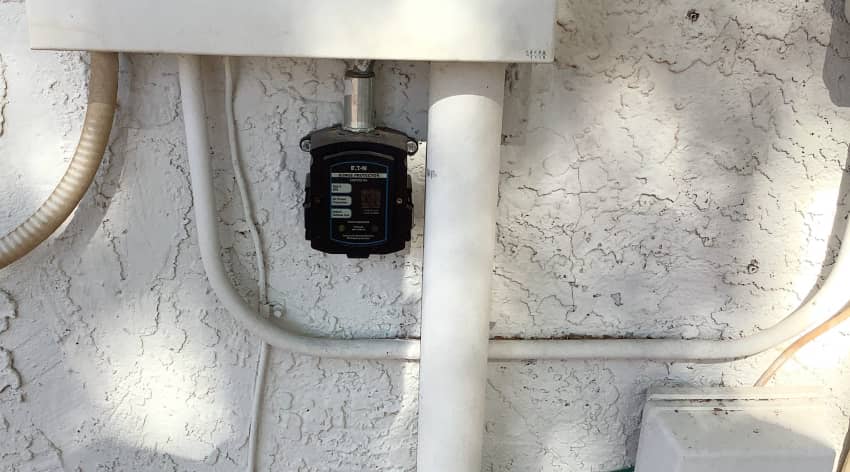
A whole-home surge protector is installed at or near your electrical panel. Its job is to help divert excess voltage away from your home’s circuits before that voltage reaches anything connected to it. Think of it as a pressure relief device for your electrical system. When voltage rises above a safe level, the surge protection device responds quickly and redirects that excess energy so it doesn’t damage things downstream. This helps protect your wiring, outlets, appliances, and electronics.
It won’t make your home completely surge-proof. A direct lightning strike or severe utility event can still cause damage. However, it can significantly reduce the risk from many common surges that happen during storm season.
What Whole-Home Surge Protection Helps Protect
Think about all of the expensive equipment you have hooked up to your electrical system. A sudden power surge can damage multiple appliances and cause thousands of dollars of damage to:
- HVAC systems
- Refrigerators, ovens, and kitchen appliances
- Washers and dryers
- Computers and office equipment
- TVs, gaming systems, and audio systems
- Routers, modems, and security systems
- Smart home devices and controls
- Garage equipment and EV chargers
- Pool and outdoor electrical equipment
Even if a surge does not zap your equipment so that it stops working, repeated smaller surges can wear down electronics over time. That hidden damage can shorten the life of your equipment and lead to more frequent replacements.
Power Strips Are Not Enough
A basic power strip is not the same as surge protection. Many power strips simply add more outlets, and even plug-in surge protectors only help the devices connected directly to them.
That leaves major appliances, hardwired systems, lighting, garage circuits, and outdoor equipment without the same level of protection. Whole-home surge protection is designed to protect the electrical system more broadly. Plug-in surge protectors can still be useful, but they should not be the only line of defense during Arizona storm season.
Can Storms Cause A GFCI Breaker To Keep Tripping?
Storms can cause several electrical problems at the same time, which is why homeowners sometimes confuse surge protection with GFCI protection. While they both help protect your home, they serve different purposes. A surge protector responds to excess voltage. A GFCI breaker responds to ground faults, which often involve current leaking from its intended path. If a GFCI breaker keeps tripping after it rains, the cause may be moisture, damaged wiring, an outdoor outlet problem, or a faulty device plugged into the circuit.
During monsoon season, both types of issues can show up. A storm may create power surges, while rainwater may also affect outdoor outlets. If a GFCI breaker keeps tripping repeatedly, you need to get it inspected by a qualified electrician.
Signs Your Home May Need Better Surge Protection
Some homes are more vulnerable to storm-related electrical damage than others. You may want to consider whole-home surge protection if you have noticed warning signs such as:
- Lights flickering during storms
- Electronics failing after outages
- Breakers tripping during storm activity
- Appliances acting erratically after power interruptions
- Frequent outages or utility power fluctuations
- Expensive HVAC, smart home, or security equipment
- Outdoor circuits, pool equipment, or garage systems exposed to storm conditions
Do whole house surge protectors work to help prevent damage to your home? Yes, and you don’t want to wait until after a storm hits and fries your refrigerator or washing machine to install one.
Installing Whole-Home Surge Protection
Whole-home surge protection should be installed by a qualified electrician, who will take into account system voltage, capacity, joule rating, and local risk. George Brazil has been in business for more than 70 years and serving the Phoenix area for more than 35 years. We have extensive experience in installing whole-home surge protection to help keep you and your electrical system safe during monsoon season.
This is definitely not a DIY project. Since surge protection ties into your electrical panel, there are serious shock and fire risks if it’s not done right.
Call George Brazil for whole-home surge protection in Glendale. Schedule electrical service today to protect your home before the next storm rolls in.