
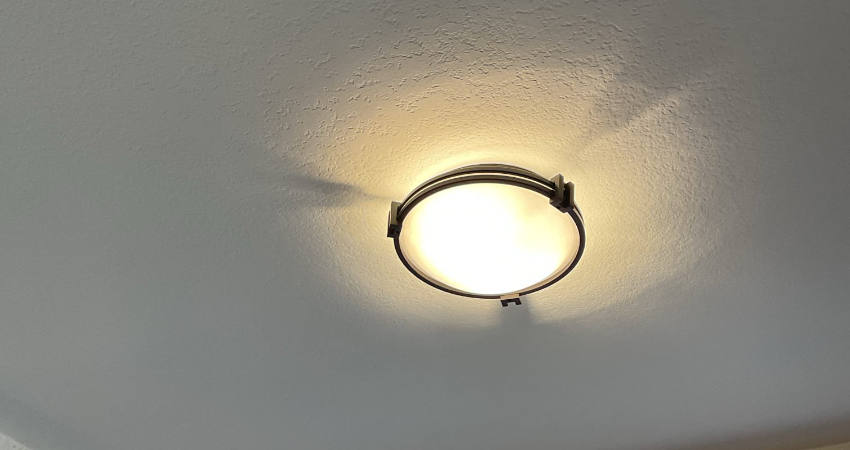
Lighting has a bigger impact on a home than most people realize. The right fixture helps, but it’s often the bulb you choose that determines how a room looks and feels. If the bulb’s too bright, it can be harsh and uncomfortable. Not enough light? You may have trouble reading or seeing, and the space may feel dull.
It’s common for homeowners in Scottsdale to end up with a mix of lighting in their homes, especially over time, and things don’t feel quite right. Understanding a few key factors can help you avoid those issues and make every room more functional, comfortable, and efficient.
Once you know how to choose light bulbs based on a few key factors, getting the right fit for every room is straightforward.
Choosing the Right Light Bulb Matters More Than You Think
Light bulbs affect visibility, energy usage, and how you feel in a room. The wrong bulb can make colors look off, create glare, or leave important areas underlit.
Energy use is another major factor. According to the U.S. Department of Energy, switching to LED lighting can save the average household about $225 per year while using roughly 75% less energy and lasting significantly longer. That means your choice of bulb impacts your budget every year, not just when you first buy it.
What to Look for to Select the Best Light Bulbs
If you’re still choosing bulbs based on wattage or replacing what was there before, there’s a smarter way to go about picking the best light bulbs in each room.
Brightness (Lumens, Not Watts)
For decades, we used watts to estimate how bright a bulb would be. That’s no longer the case. Today, brightness is measured in lumens because today’s energy-efficient bulbs can produce greater output at lower wattage.
Higher lumens mean a brighter light. For example, a living room lamp may need around 800 to 1,600 lumens, while a kitchen or workspace often benefits from higher brightness for better visibility.
Color Temperature
Color temperature is also a factor and has a direct impact on how a room feels and functions:
- Warm light, typically around 2700K, creates a soft, relaxing environment. It is commonly used in bedrooms and living areas.
- Cool light, in the 4000K to 5000K range, appears brighter and more neutral, which can improve visibility.
According to the Lighting Research Center, cool white bulbs improve focus, while warm light promotes relaxation.
Bulb Type
Most modern homes use LED bulbs, which provide consistent light output with an extremely long lifespan. While other options exist, LEDs have become the standard because they perform well across nearly every application.
Dimmability and Compatibility
Not all bulbs are dimmable, and not all dimmers work with every bulb type. If you have dimmer switches, it is important to choose bulbs that are compatible. Otherwise, you may experience flickering, buzzing, or a lack of control over brightness levels.
How to Choose Light Bulbs for Each Room
Lighting is a personal choice, but here are some general guidelines for each room.
- Living room: Warm bulbs (2700K–3000K) create a relaxed feel; layer recessed lights with lamps to reduce harsh shadows.
- Kitchen: Use neutral to cool light (3000K–4000K) for food prep; under-cabinet or recessed lights improve visibility.
- Bedroom: Stick to warm light for a calm, restful environment; avoid bright or cool bulbs, especially at night.
- Bathroom: Neutral white (3000K–4000K) balances clarity for grooming without being too harsh.
- Home office: Cooler light (4000K–5000K) mimics daylight, helping with focus and reducing eye strain.
- Outdoors: Use exterior-rated LED bulbs for durability, long life, and reliable brightness for security and visibility.
Energy Star has a good breakdown on bulb types and applications that can provide additional info.
The Best Light Bulbs for Recessed Lighting
Recessed lights require a slightly different approach from standard fixtures because the beam angle plays a major role in how light is distributed. A narrow beam creates focused light, while a wider beam spreads light more evenly across a space.
Brightness must also match ceiling height and room size. Too much light can create glare, while too little can leave you with dark areas.
Common Mistakes When Choosing Light Bulbs
One of the most common issues is mixing color temperatures within the same room. This can make a space feel disjointed and inconsistent. Another frequent mistake is choosing bulbs that are either too dim or too bright for the intended use.
When to Upgrade More Than Just the Bulb
Sometimes, replacing the bulb is not enough. If you’re burning through bulbs quickly, have flickering lights, buzzing sounds, or uneven lighting, the problem may be electrical rather than the light bulbs. In these cases, upgrading the fixture or reworking the lighting layout may be the better (and safer) option. This is especially true in older homes where lighting systems may not have been designed for modern usage.
If you’re not sure what you need, give the professionals at George Brazil a call. We can help you design and install the right light fixtures. Schedule service today.