
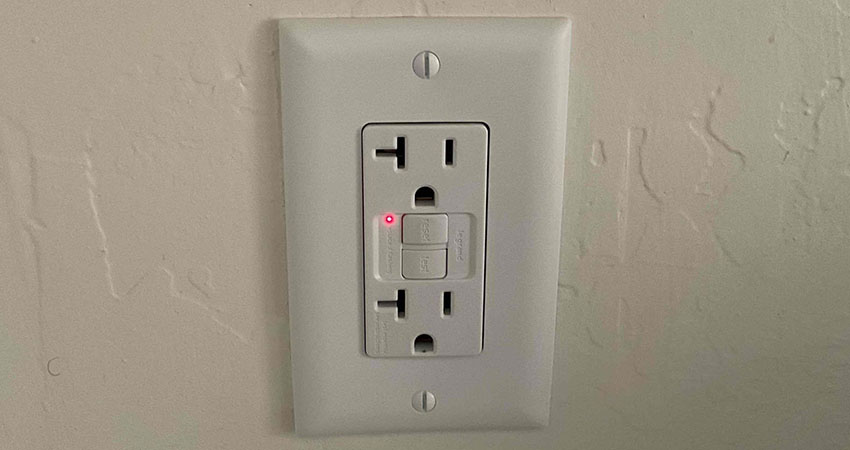
In the Tempe area, your electrical system needs protection. Older wiring in many homes, combined with modern appliances, our extreme heat, and occasional monsoon rains create a higher-than-average risk for electrical shock hazards. GFCI outlets are required by code in many parts of your home as a safeguard.
So, what is a GFCI outlet, and how does it work? Let’s discuss.
What Does GFCI Stand For?
GFCI stands for Ground Fault Circuit Interrupter, and the name describes what it does. When the outlet detects a ground fault, it interrupts the power to prevent shock or fire. This might be because of water, damaged insulation, a faulty appliance, or a worn-out outlet. It often happens when electricity encounters water, damaged insulation, worn outlets, or your body.
It can be dangerous. Human bodies conduct electricity, so even a small fault can result in getting a big shock or even electrocution.
How GFCI Outlets Work
GFCI outlets monitor the electrical current flowing through a circuit. When power flows consistently, things are working as they should. If there’s an imbalance, electricity is escaping and the GFCI will shut off power. Even a small imbalance will cause the outlet to trip.
While homes are protected by circuit breakers in an electrical panel, shocks can be dangerous in the milliseconds before the breaker turns off. Circuit breakers are designed to protect your home’s wiring from overheating, but they may not respond quickly enough to protect you from being shocked.
Where Are GFCI Outlets Required in Tempe Homes?
In Tempe, requirements are based on the National Electrical Code, which requires GFCI protection in any areas where moisture, grounding, or contact risk is elevated. In Tempe homes, this typically includes:
- Bathrooms, including outlets near sinks and vanities
- Kitchens, especially countertop outlets serving food preparation areas
- Garages, where concrete floors, tools, and moisture increase shock risk
- Outdoor outlets, including patios, porches, and exterior walls
- Laundry rooms, where washing machines and utility sinks are present
- Utility rooms, especially those housing water heaters or softeners
- Pool and spa areas, including nearby receptacles
- Basements or crawl spaces, when present
- Wet bar or kitchenette areas, even outside a main kitchen
The NEC mandated GFCIs in some areas starting in 1971 and added more locations throughout the years. Many older homes in Tempe were built before these requirements existed. So, any time you’re changing outlets or doing repairs or renovations, GFCI requirements will apply.
Tempe’s Monsoon Season Increases Electrical Risk
When those nasty monsoon storms hit, humidity can spike. Heavy rains and wind can pelt your home and allow moisture to get inside an outlet, creating a safety risk. Without GFCI protection, shock and ground faults increase.
Common Signs a GFCI Outlet Is Failing
GFCI outlets don’t last forever. Over time, they can wear out and lose sensitivity. If you see any of these symptoms, your outlet may no longer being providing the protection you need:
- Outlets will not reset after they trip
- Frequent or unexplained tripping
- No power despite pressing the reset button
- Physical damage, cracking, or discoloration
- Outlets that buzz or feel warm
How to Test a GFCI Outlet
Modern GFCI outlets have built-in TEST and RESET buttons.
When your press the test button, it should cut power to the outlet. Pressing reset should restore power. If this doesn’t work, you’ve probably got a defective GFCI.
You should test your GFCI outlets every once in a while, especially after there’s been a major storm in the area.
When to Call a Professional for GFCI Outlet Installation or Replacement
When your GFCIs aren’t working properly or you need a new one installed, it’s time to call in a highly trained electrician, especially if you’re experiencing any of these conditions:
- A GFCI outlet fails testing or will not reset.
- Standard outlets need to be upgraded to meet code.
- Older wiring is present behind the outlet.
- Multiple outlets trip together.
- You suspect moisture damage or corrosion.
Professional installation ensures the wiring is correct to handle electrical loads and complies with local code requirements.
Every Tempe Home Needs GFCI Protection
What is a GFCI outlet? It’s the protection your home needs to keep you safe.
In Tempe, schedule service from George Brazil Plumbing & Electrical for GFCI outlet replacement or installation. We offer same-day service and transparent, upfront pricing so you know exactly what you’ll pay before work begins.