
Your power is something you generally take for granted. You’re not thinking about electricity and how it works when you flip on a light switch or plug something in…until things stop working. When an outlet’s not working, it gets your attention. It’s frustrating. It might be a simple fix or something more serious. And sometimes, it’s dangerous.
We’ll help you diagnose why a power outlet is not working, what troubleshooting you can do safely, and when it’s time to call in a skilled electrician to fix the problem. Here are seven steps you can take safely on your own.
1. Confirm the Problem Is Isolated
Before assuming something is seriously wrong, start by ruling out the simplest explanations. Plug the device you were using into a different outlet you know is working. If it powers on, the appliance is not the issue.
Next, test the dead outlet with a lamp, another device, or an outlet tester. This confirms whether the problem is truly a power supply issue or just a faulty cord or plug.
2. Check the Electrical Panel for Tripped Breakers
A common reason why a power outlet is not working is a tripped circuit breaker. Open your electrical panel and look for any breaker that’s not in the on position. Be aware that sometimes breakers don’t fully trip and get stuck halfway, so pay attention to any breaker that doesn’t line up neatly with others that are turn on.
You can reset a tripped breaker by switching it to the fully off position and then back on. But if the breaker trips again, don’t keep resetting it. This typically signals a more serious problem, and you’ll want to call a professional to fix a power outlet not working.
3. Inspect Nearby GFCI Outlets
A single GFCI outlet can control several standard outlets downstream. If that GFCI trips, every outlet connected to it may lose power. So, you will want to check bathrooms, garages, laundry rooms, kitchens, and exterior outlets for a tripped GFCI in your Phoenix home.
If one has tripped, press the reset button firmly and then retest the dead outlet. This step alone resolves a large percentage of outlet issues, especially in newer homes or homes with updated electrical protection.
4. Look for Switched or “Half-Hot” Outlets
Some outlets are controlled by wall switches. In living rooms or bedrooms, one half of the outlet may be switched while the other provides consistent power.
Flip nearby wall switches to see if power returns. If only part of the outlet works, it may be a half-hot configuration rather than a failure. If switching behavior is inconsistent or has changed suddenly, that can signal a loose connection or wiring issue.
5. Consider AFCI Protection in Newer Homes
Phoenix area homes built or updated in recent years often use Arc Fault Circuit Interrupters (AFCIs). These devices are designed to shut off power when they detect electrical arcing.
AFCI breakers can trip due to damaged cords, overloaded circuits, or wiring issues. If resetting an AFCI breaker restores power, but the problem keeps returning, the outlet should be evaluated by a trained electrician to prevent fire risks.
6. Identify Signs of a Worn or Failed Outlet
Outlets wear out over time, especially those that see frequent use. You might experience:
- Plugs that feel loose when connecting
- Outlets that feel warm
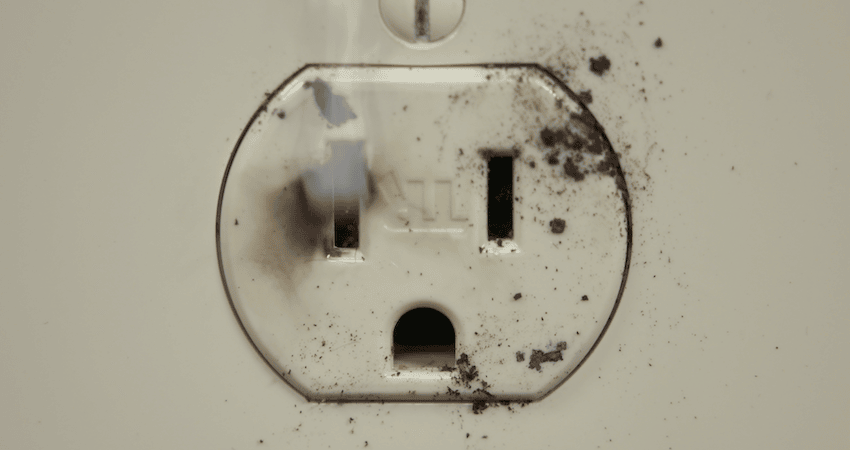
- Discoloration around the outlet
- Buzzing or popping sounds
These symptoms indicate internal contact failure. Even if power comes and goes, a worn outlet is no longer safe or reliable and should be replaced.
7. Internal Wiring Problems Behind the Outlet
If an outlet’s not working after these basic checks, you might have a problem inside your wall. There might not be any obvious signs of damage from the outside, and you’ll want a professional evaluation to troubleshoot from here.
DIY vs. Professional Electrical Repair
You can safely reset breakers, check GFCIs, test outlets, and look for visible warning signs. Removing outlet covers or handling wiring, however, introduces shock and fire hazards.
Electrical codes require highly skilled professionals for many repairs, particularly when wiring changes, circuit issues, or repeated failures are involved. Attempting advanced repairs without proper training can cause safety risks and fall outside building code compliance.
When to Call an Electrician for a Dead Outlet
Professional service is strongly recommended if:
- The outlet repeatedly loses power
- Breakers or GFCIs trip frequently
- You notice a burning smell, heat, or scorch marks
- Multiple outlets stop working at the same time.
When a power outlet not working cannot be resolved with simple checks, working with an experienced, licensed electrical professional ensures the issue is fixed correctly and safely.
Our highly trained electricians respond fast, diagnose accurately, and fix electrical problems permanently. George Brazil Plumbing & Electrical is available 24/7 for emergencies with guaranteed expertise, every time. Schedule a service call today.